Discover the best tourist places to visit in Kutch, Rann of Kutch, Mandvi Beach, Dholavira & more. Plan your Kutch trip with our travel guide for sightseeing, culture & festivals.
This website is created only to provide information about tourist places of Kutch. We do not offer or take any bookings. If you find any incorrect information, please contact us

Visit Kutch
Kutch – India’s largest district – is a land of contrasts, where white salt deserts meet vibrant handicrafts, royal palaces, ancient ruins, and golden beaches. If you’re planning a 2025 Kutch trip, here are the Top 10 Kutch tourist places you simply can’t miss.
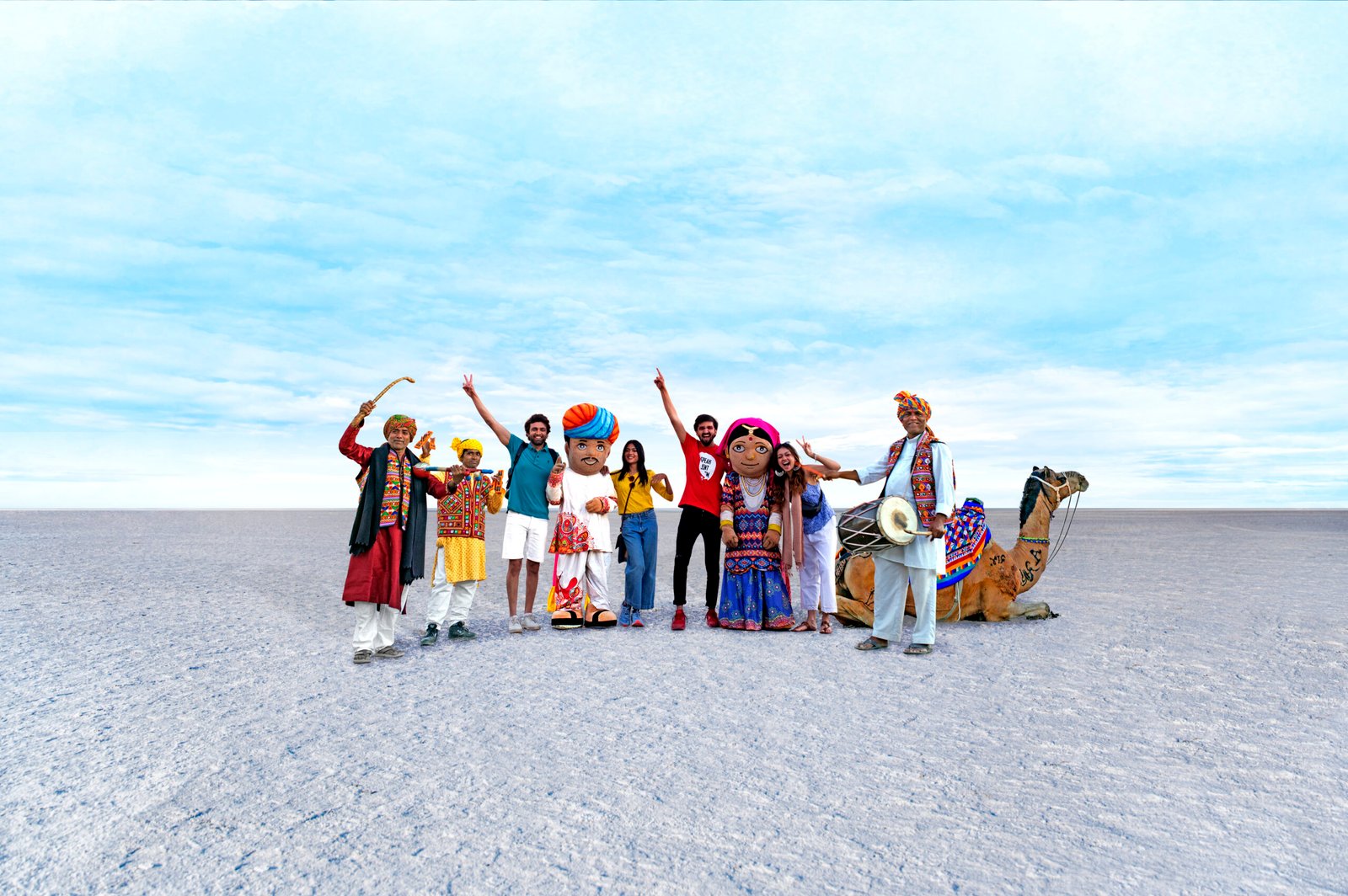
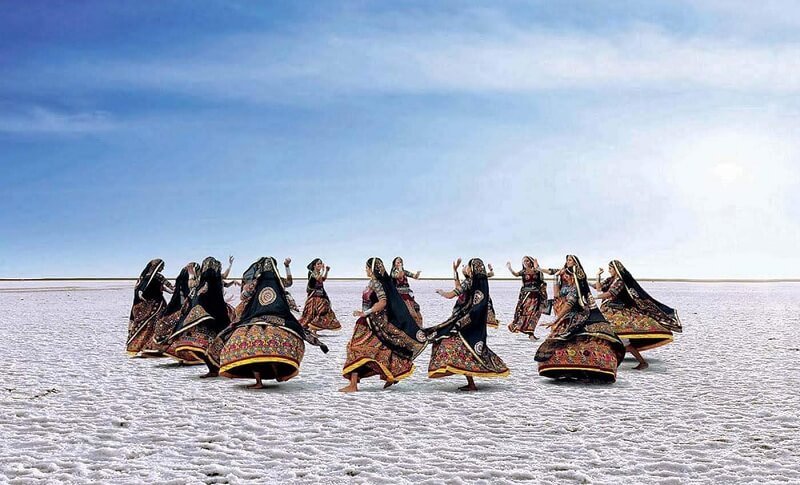
The Rann of Kutch is undoubtedly the crown jewel of Gujarat tourism. This vast salt desert stretches endlessly and looks magical during Rann Utsav, especially on full moon nights.
Experience cultural shows, camel rides, adventure sports, and stay in luxury tents at Dhordo village, the festival hub.
Highlights: Rann Utsav, full moon view, desert camping
Location: Dhordo, 80 km from Bhuj
Pro Tip: Visit between November and February for the best weather and Rann Utsav experience.

Bhuj is the gateway to Kutch, filled with historical architecture, lively markets, and museums. Explore the Aina Mahal, Prag Mahal, and Kutch Museum to learn about the region’s royal past.
Don’t miss shopping for Kutchi embroidery, bandhani fabrics, and handcrafted silver jewellery at Bhujodi village.
Highlights: Aina Mahal, Prag Mahal, Bhujodi crafts
Best For: History lovers & shopaholics
Looking for a relaxing coastal escape? Mandvi Beach offers golden sands, camel rides, and breathtaking sunsets.
Nearby, the grand Vijay Vilas Palace adds a royal touch – it was once featured in Bollywood films like Hum Dil De Chuke Sanam.
Highlights: Vijay Vilas Palace, water sports, beach camping
Perfect For: Couples, families, and photographers
A UNESCO World Heritage Site, Dholavira showcases the remains of one of the world’s oldest civilizations – the Indus Valley Civilization.
Walk through 5,000-year-old ruins, water reservoirs, and ancient signs that tell stories of advanced engineering and urban planning.
Highlights: Harappan ruins, museum, archaeological importance
Location: Khadir Bet Island, about 215 km from Bhuj
The highest point in Kutch, Kala Dungar offers a panoramic view of the White Desert from above.
You’ll also find the Dattatreya Temple here and can witness the famous jackal feeding ritual that’s been practiced for centuries.
Highlights: Scenic views, Dattatreya Temple, Rann panorama
Best Time: Sunset or early morning
For a taste of authentic rural life, stay in the traditional Bhungas (mud huts) of Hodka Village.
Interact with artisans, learn embroidery, enjoy folk music, and experience Kutchi hospitality at its best.
Highlights: Cultural tourism, handicrafts, homestays
Nearby: Dhordo & Banni Grasslands
Located near the Pakistan border, Narayan Sarovar is one of India’s five sacred lakes.
It’s surrounded by ancient temples and the Narayan Sarovar Wildlife Sanctuary, home to species like chinkaras, nilgai, desert foxes, and migratory birds.
Highlights: Spiritual vibes, wildlife photography
Best For: Nature and spirituality seekers
Once a bustling port city, Lakhpat now stands as a mystical abandoned town enclosed by massive walls.
Inside lies the Lakhpat Gurudwara Sahib, where Guru Nanak once stayed during his journey to Mecca.
Highlights: Historical fort, Gurudwara, photography
Location: 135 km from Bhuj
Situated at the westernmost tip of India, near the India-Pakistan border, the Koteshwar Temple offers a serene setting overlooking the Arabian Sea.
It’s one of the most spiritually peaceful places to visit in Kutch.
Highlights: Coastal temple, sunset views, border point
Best For: Peace seekers and explorers
Located in Bhujiyo Dungar, Smritivan is one of the most impressive modern attractions in Kutch. It’s a memorial and museum dedicated to the victims of the 2001 earthquake and symbolizes resilience and recovery. The museum uses light, sound, and interactive technology to tell the story of Kutch’s rebirth.
Why Visit: For its emotional storytelling, panoramic views of Bhuj, and futuristic museum design.