
Discover the best tourist places to visit in Kutch, Rann of Kutch, Mandvi Beach, Dholavira & more. Plan your Kutch trip with our travel guide for sightseeing, culture & festivals.
This website is created only to provide information about tourist places of Kutch. We do not offer or take any bookings. If you find any incorrect information, please contact us
Our Contact
- info@visitkutch.com
- Home
- Tera Village Kutch
Tera Village Kutch – Heritage Village & Travel Guide
Location
Best Places to Visit in Kutch
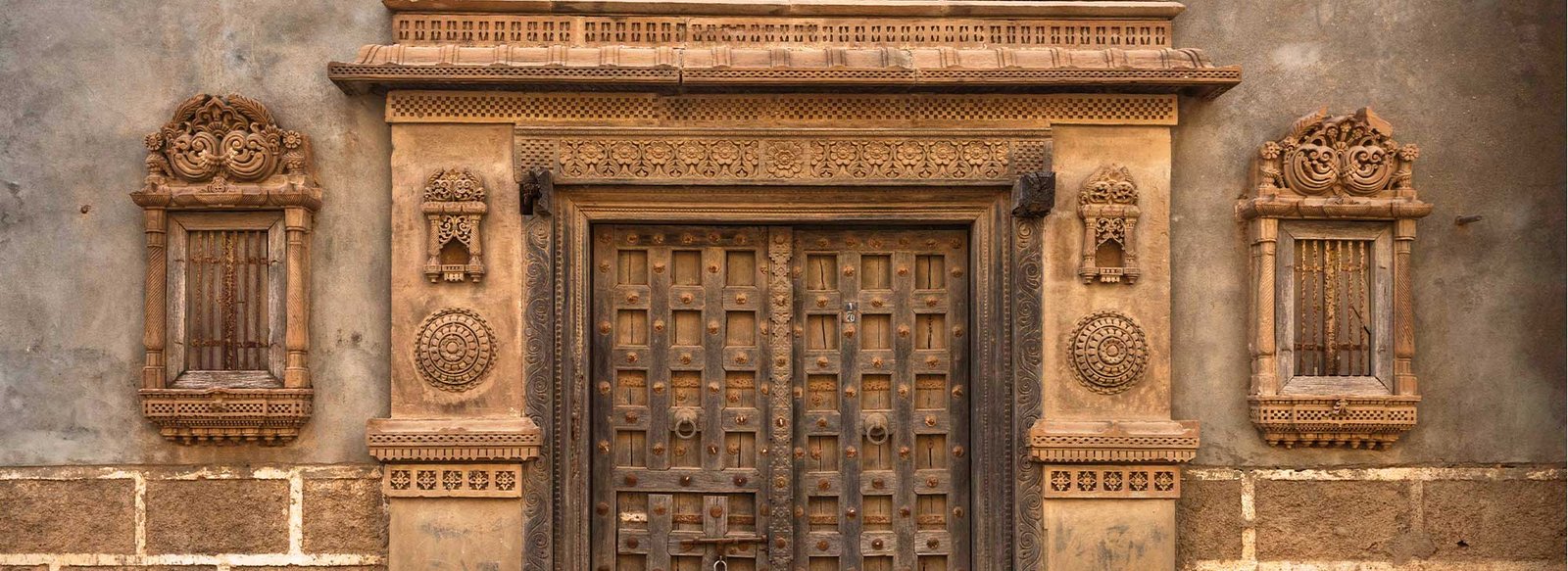
Tera Village Kutch is one of the oldest and most fascinating heritage villages in Gujarat, renowned for its historic temples, stepwells, palaces, and traditional crafts. Located about 90 km from Bhuj, Tera is not just a settlement but a living museum of Kutch’s glorious past. With its narrow lanes, stone-carved structures, and cultural richness, Tera Village Kutch offers travelers a deep insight into rural life and the architectural legacy of the region.
Known as one of the best heritage places to visit in Kutch, Tera is often overlooked by mainstream tourists, which makes it an offbeat yet rewarding destination. The village is home to several important monuments such as the Tera Fort, stepwells, and intricately carved temples. It also has a legacy of artisans and local craftsmen who keep alive traditional Kutch handicrafts, making it a hub of cultural tourism.
What sets Tera apart is its historical importance. Once ruled by Jadeja Rajputs, the village played a strategic role in the defense of Kutch. Its unique blend of religious, architectural, and cultural landmarks make it a must-visit for history enthusiasts, researchers, and travelers seeking authentic experiences.
In recent years, Tera has also gained recognition as one of the heritage villages of Gujarat, supported by conservation efforts to preserve its ancient architecture and local traditions. Travelers can explore its old havelis, forts, and shrines, while also enjoying the serene village atmosphere.
For those planning to explore heritage tourism in Kutch, Tera Village is a hidden gem worth visiting, combining history, spirituality, and cultural vibrancy.
History & Significance
The history of Tera Village dates back several centuries and is closely tied to the Jadeja dynasty of Kutch. The village gained prominence as a fortified settlement under the Rajput rulers, who constructed forts and temples to establish their presence.
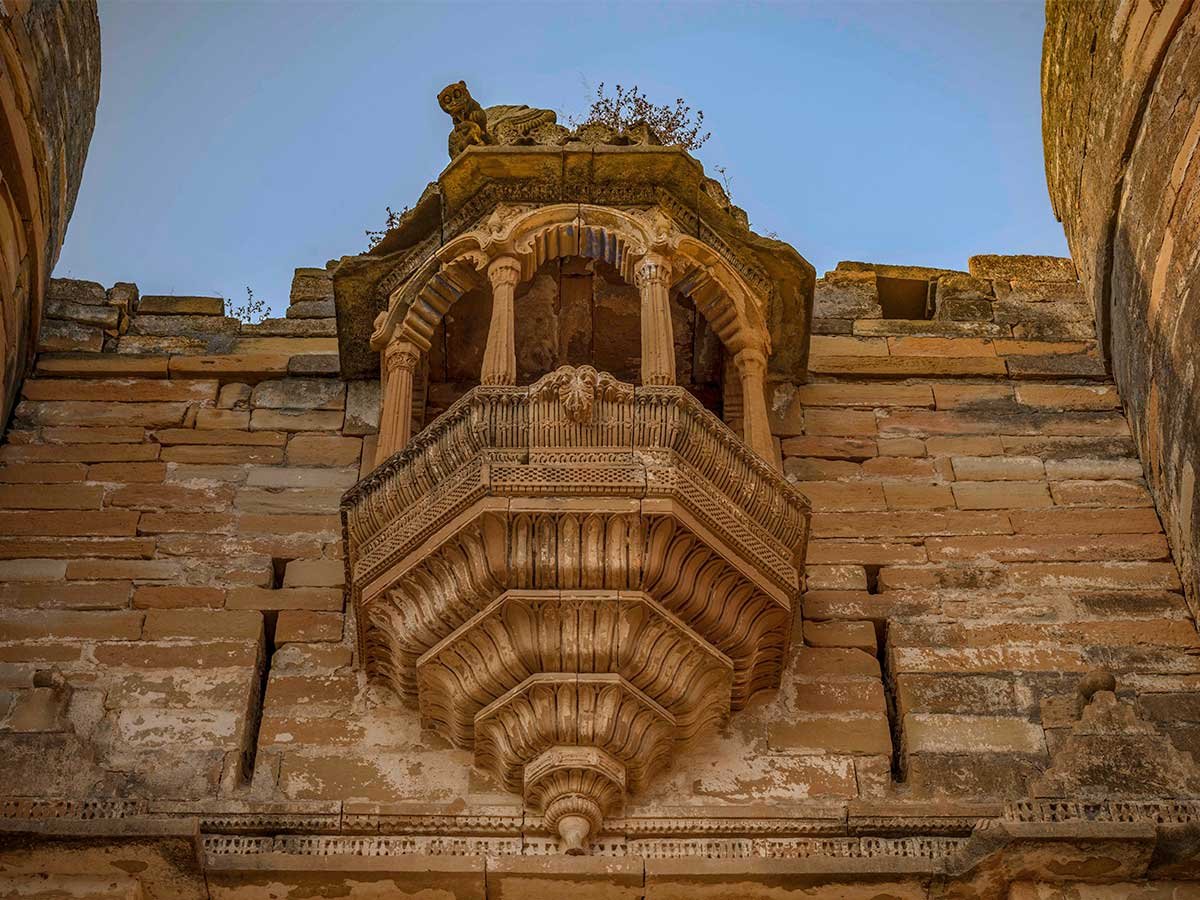
The most significant structure here is the Tera Fort, built to safeguard the region from invasions. Its ruins still stand today, giving visitors a glimpse of medieval Kutch’s defensive architecture. Apart from the fort, Tera is known for its ancient stepwells, which served as vital sources of water in the arid landscape of Kutch. These stepwells are not only functional but also display intricate carvings, showcasing the artistic skills of that era.
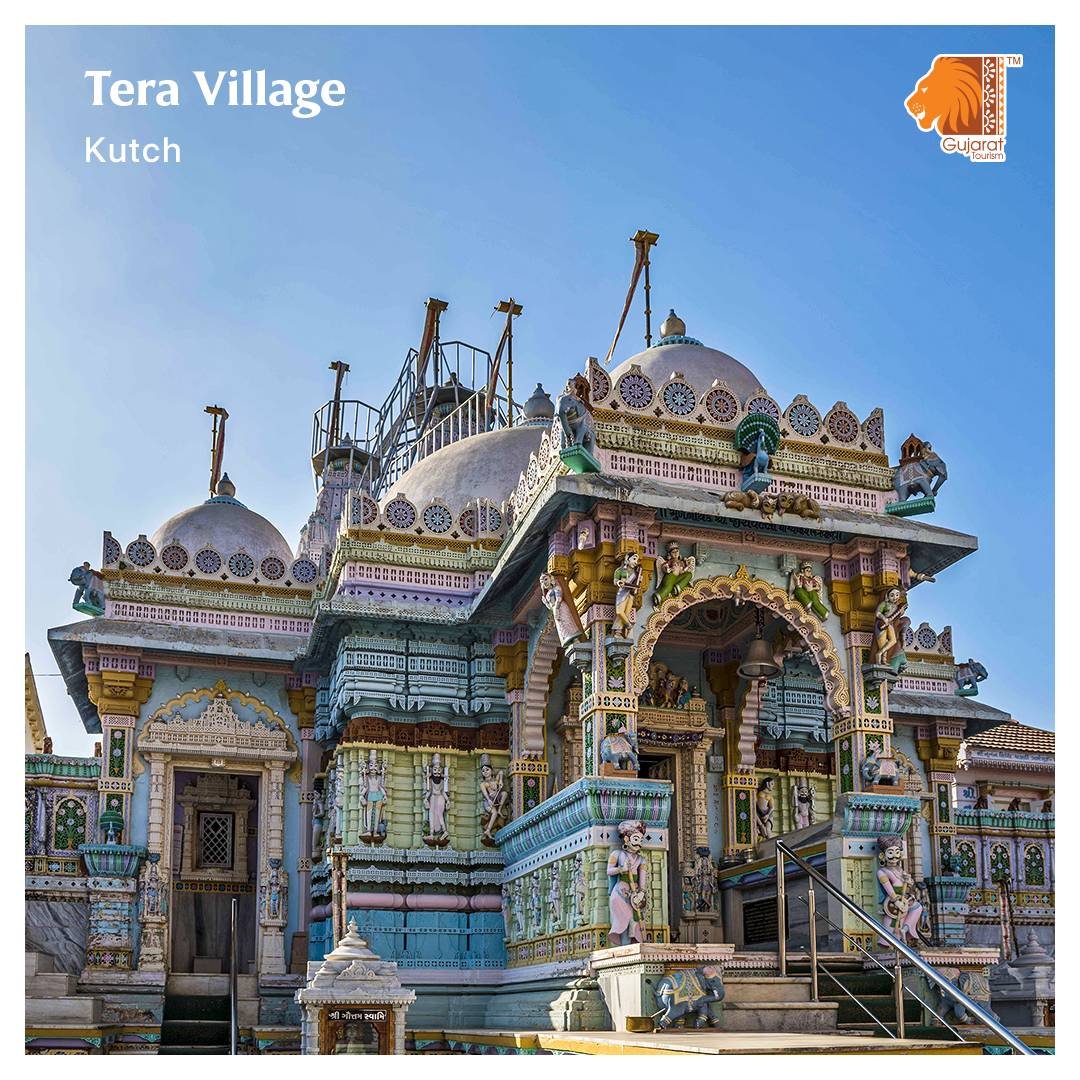
Religiously, Tera holds importance due to its Jain temples and Hindu shrines. The Jain Derasars here are noted for their detailed stone carvings, while Hindu temples like the Chamunda Mata Temple attract devotees throughout the year. These monuments highlight the spiritual harmony and architectural brilliance of the region.
In addition, Tera has been a center for handicrafts and local artisans for centuries. From traditional embroidery to woodwork, the village is known for its skilled craftsmen who continue to practice age-old techniques. Today, Tera is recognized as a heritage conservation site, with efforts underway to restore and protect its cultural assets.
Things to Do / Attractions Nearby
- Visit the Tera Fort and explore its historic ruins.
- Explore ancient stepwells with detailed stone carvings.
- Offer prayers at Jain temples and Chamunda Mata Temple.
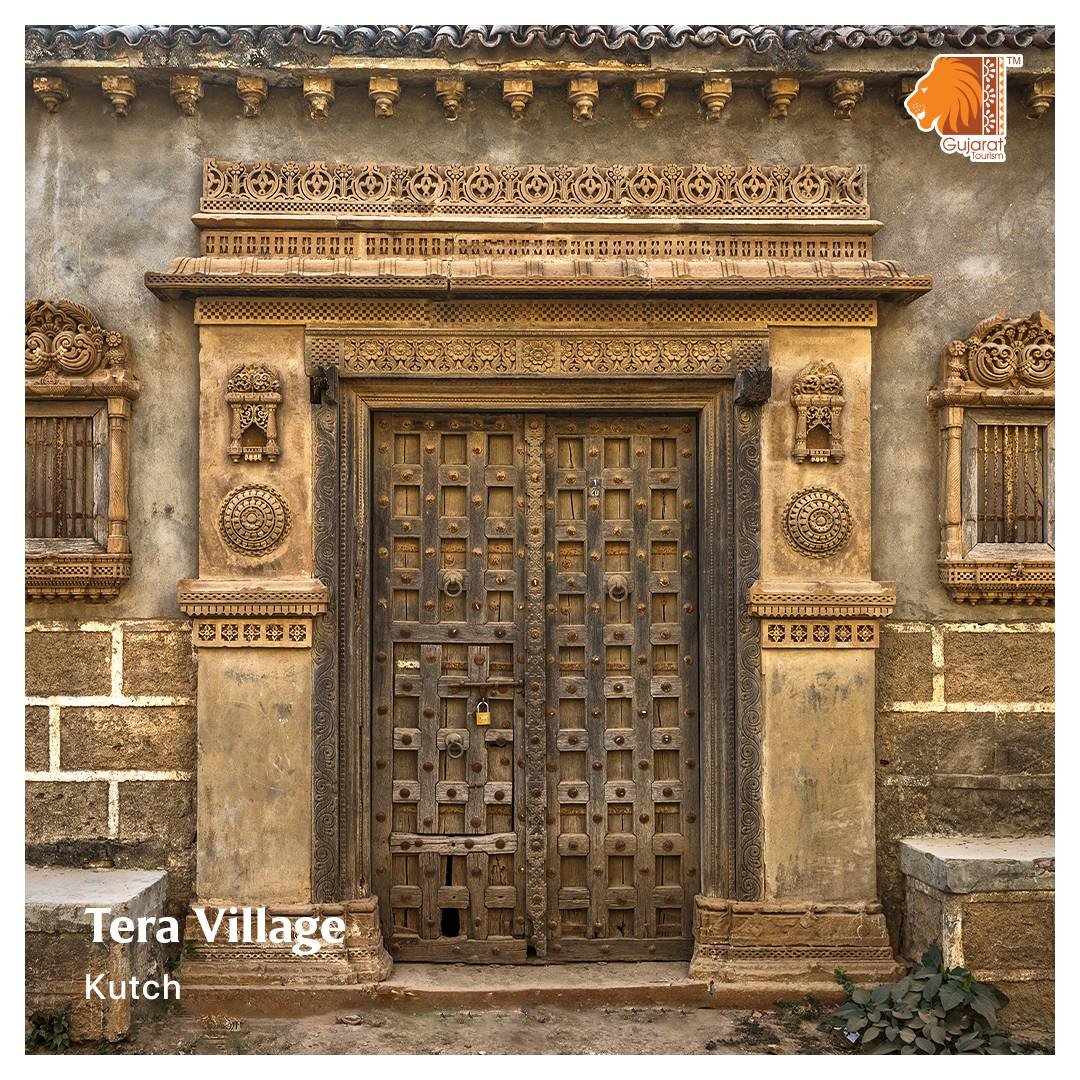
- Walk through the narrow village lanes and admire traditional havelis.
- Interact with local artisans and shop for handicrafts.
- Nearby attractions: Bhuj (90 km), Narayan Sarovar (60 km), Koteshwar Temple (65 km).
Best Time to Visit Tera Village Kutch
The best time to visit Tera Village is from November to February, when the weather is cool and pleasant. Summers are harsh, and the monsoon season may limit accessibility.
How to Reach Tera Village Kutch
- By Air: The nearest airport is Bhuj Airport (90 km), well connected to Ahmedabad and Mumbai.
- By Rail: Bhuj Railway Station (90 km) is the closest railhead.
- By Road: Tera Village is accessible by road from Bhuj (2 hours). Private taxis and state transport buses are available.
Travel Tips & Visitor Info
- Entry Fees: No entry fee for monuments.
- Timings: Open all day; best visited during daylight hours.
- Carry water, snacks, and sunscreen as facilities are limited.
- Wear comfortable shoes for walking through village lanes.
- Ideal for heritage walks, photography, and cultural exploration.
FAQs
Tera Village is famous for its fort, stepwells, temples, and heritage havelis that reflect the history and culture of Kutch.
Tera Village is about 90 km from Bhuj, roughly a 2-hour drive.
Yes, it’s a hidden gem for heritage tourism in Kutch, ideal for history lovers and cultural explorers.
Nearby attractions include Narayan Sarovar, Koteshwar Temple, and Bhuj.
Photo Gallery