
Discover the best tourist places to visit in Kutch, Rann of Kutch, Mandvi Beach, Dholavira & more. Plan your Kutch trip with our travel guide for sightseeing, culture & festivals.
This website is created only to provide information about tourist places of Kutch. We do not offer or take any bookings. If you find any incorrect information, please contact us
Our Contact
- info@visitkutch.com
- Home
- Dholavira
Dholavira – UNESCO World Heritage Site in Kutch
Location
Best Places to Visit in Kutch
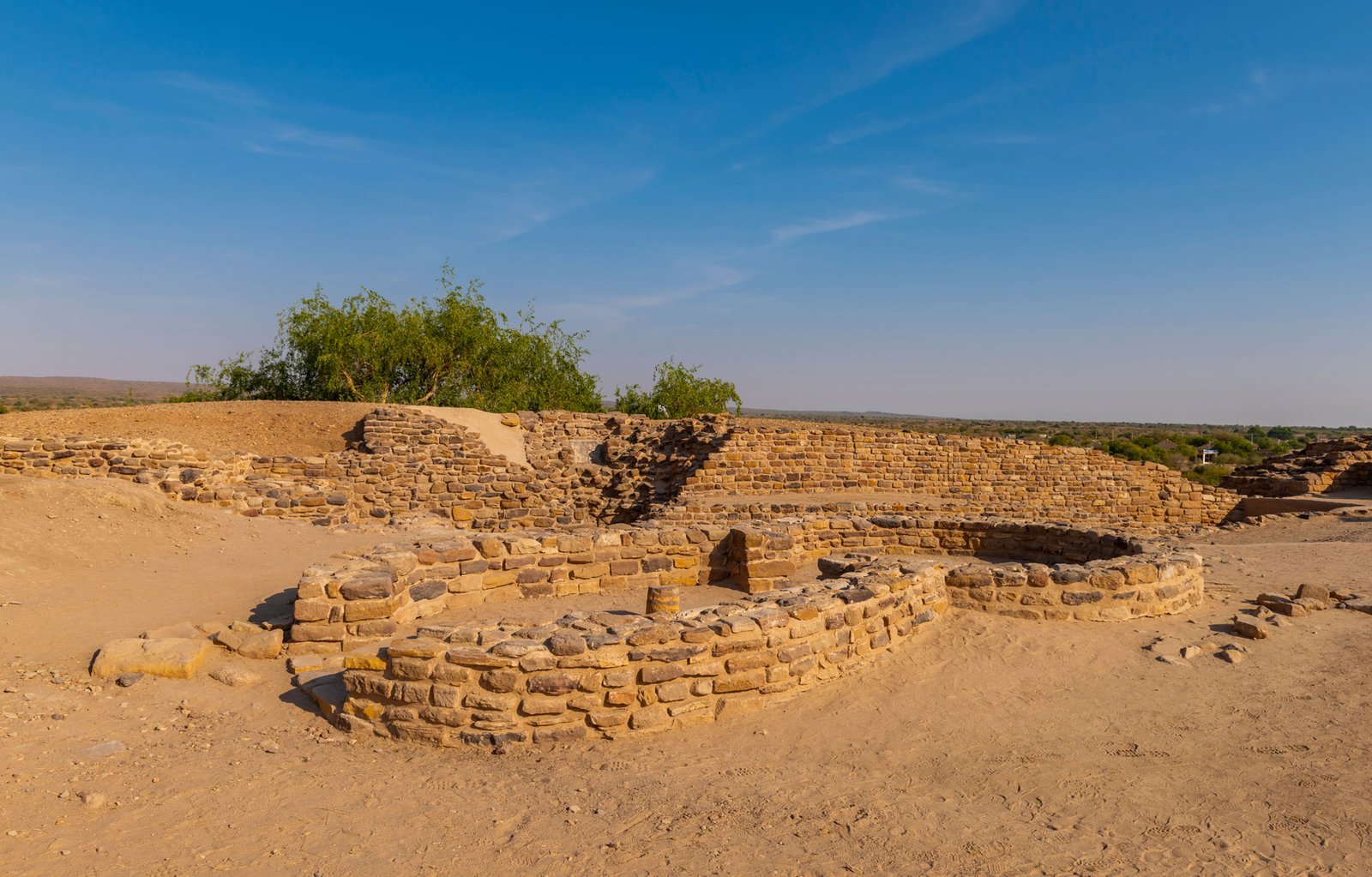
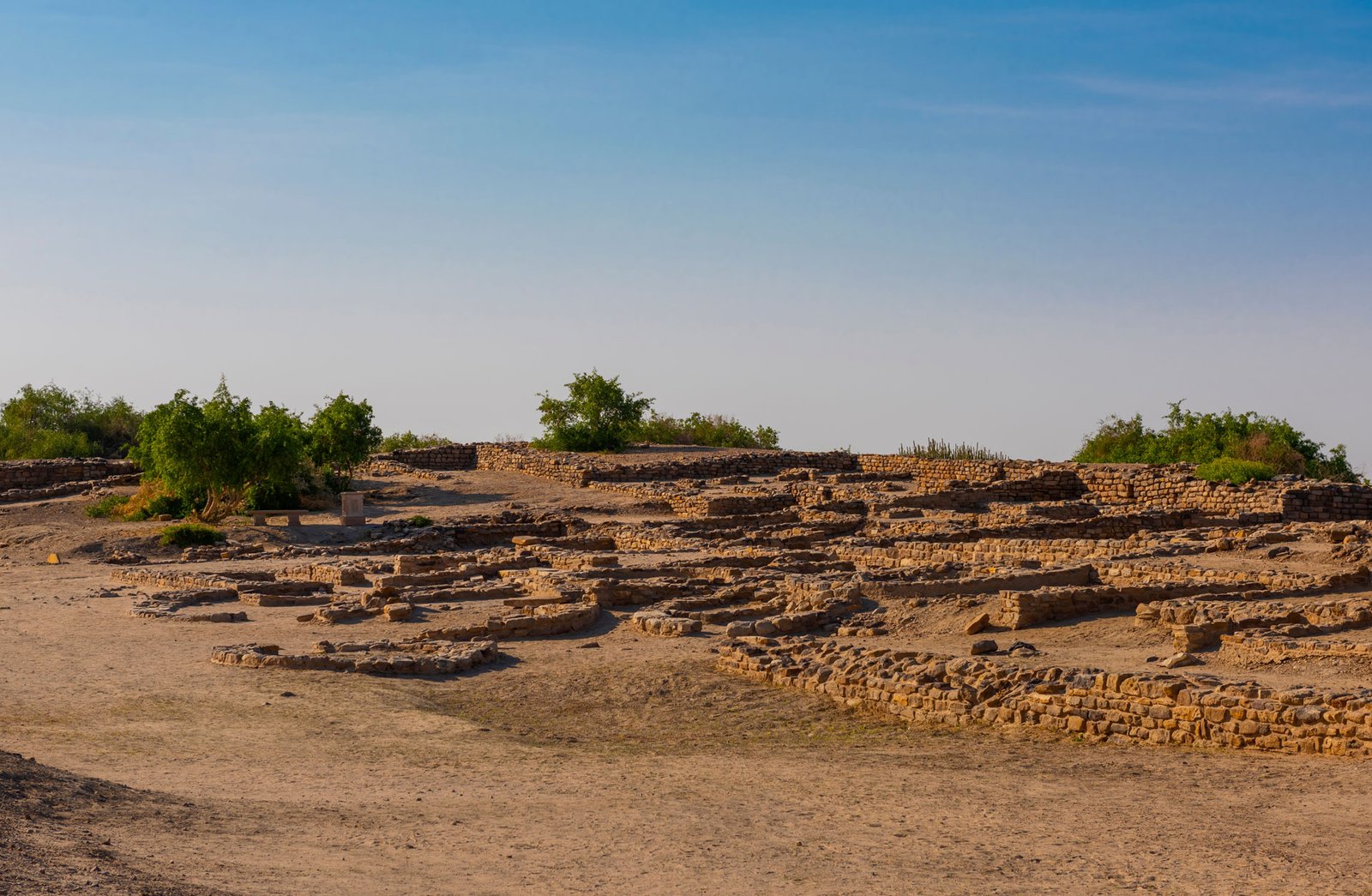
Dholavira UNESCO World Heritage Site is one of the most extraordinary archaeological treasures of India, located on Khadir Bet island in the Great Rann of Kutch, Gujarat. Declared a UNESCO World Heritage Site in July 2021, Dholavira stands as a remarkable reminder of the Indus Valley Civilization (Harappan Civilization), dating back more than 4,500 years.
Spanning over 100 hectares, Dholavira is one of the five largest Harappan sites in the Indian subcontinent and the most prominent in India. Its strategic location amidst the saline desert landscape of Kutch makes it not only a historical wonder but also a unique destination where heritage meets nature.
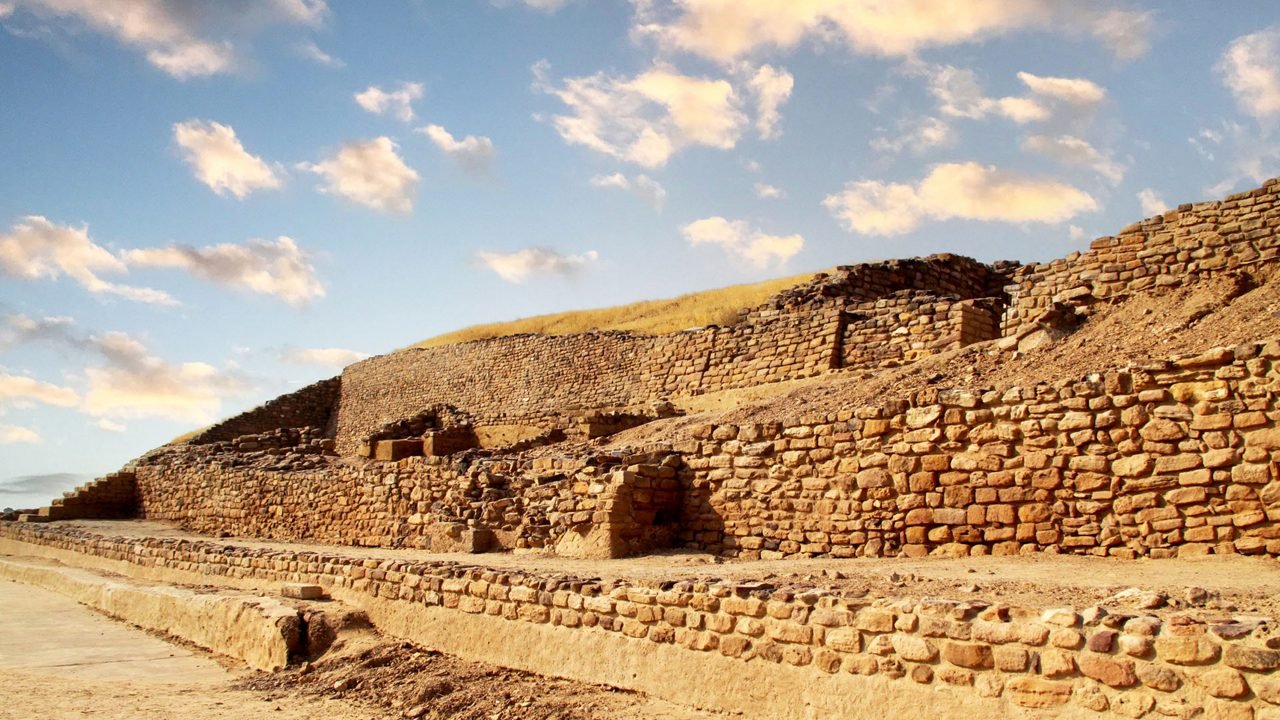
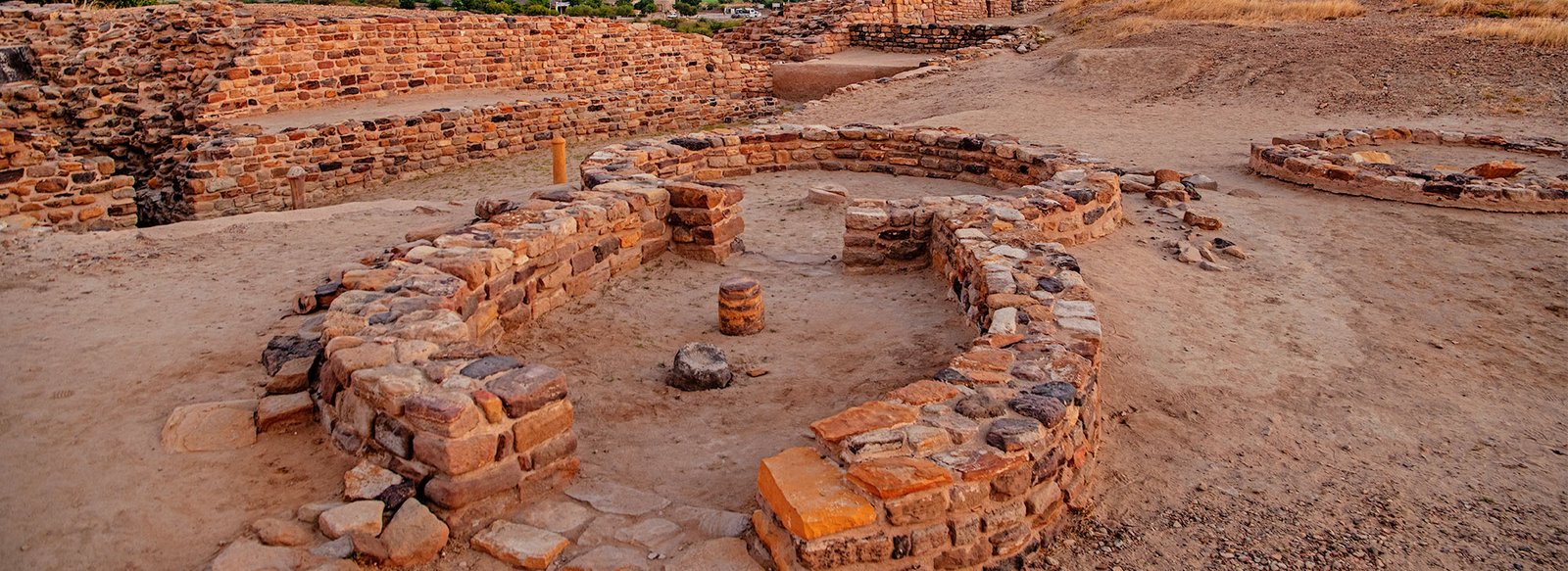
The site showcases the extraordinary urban planning and engineering brilliance of the Harappan people. From an advanced water conservation system to well-laid streets, reservoirs, and a citadel, Dholavira reflects the scientific temperament and organizational skills of an ancient civilization that thrived between 3000 BCE and 1500 BCE.
For history lovers, archaeologists, and travelers with a passion for culture, Dholavira offers an unforgettable journey into the past. Beyond its archaeological significance, the site also offers mesmerizing views of the white desert, making it a perfect blend of history and natural beauty.
History & Significance
Dholavira was first discovered in 1967-68 by archaeologist J.P. Joshi and has since been one of the most extensively excavated Harappan sites in India. Excavations revealed that the city was continuously inhabited for more than 1,500 years, with seven different cultural stages.
The most significant discoveries at Dholavira UNESCO World Heritage Site include:
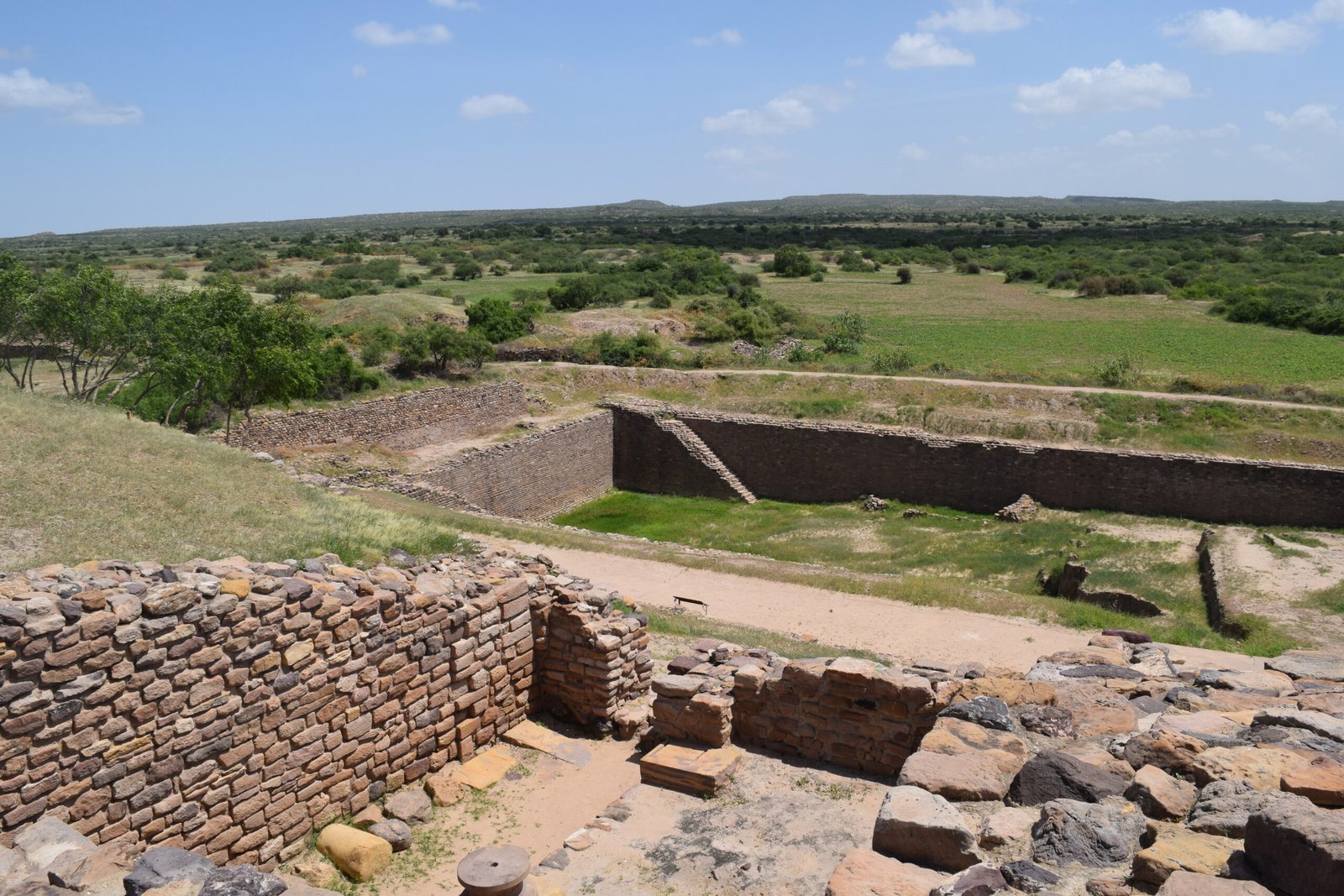
A unique water management system comprising reservoirs, channels, and step wells.
The remains of a citadel, middle town, and lower town, reflecting hierarchical urban planning.
A rare signboard with Indus script, carved on large wooden panels and coated with gypsum.
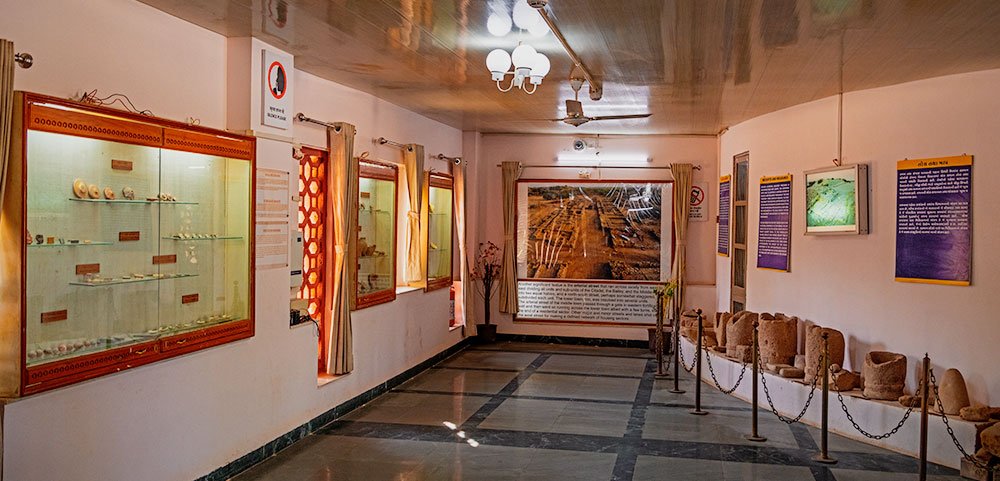
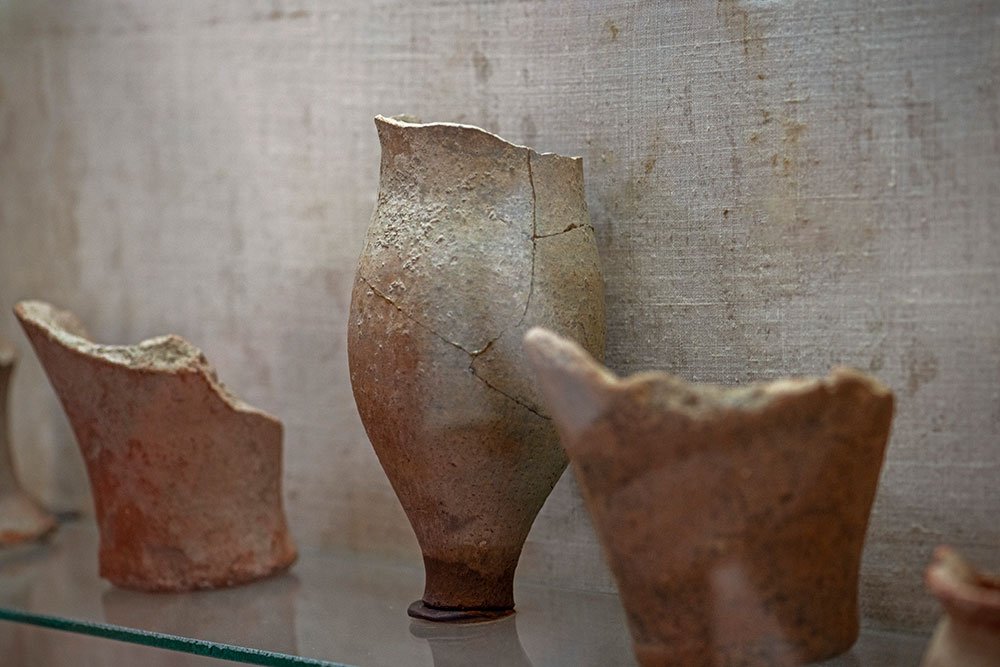
Beads, ornaments, seals, pottery, and artifacts highlighting Harappan craftsmanship.
What sets Dholavira apart is its ingenious adaptation to an arid landscape. Despite harsh climatic conditions, the Harappans developed a sustainable settlement with water conservation and trade routes connecting Mesopotamia and other regions.
The site’s recognition as a UNESCO World Heritage Site acknowledges not only its global importance but also India’s role in preserving ancient human heritage. Dholavira today is considered a living museum of the Harappan civilization, offering visitors a glimpse into one of the world’s earliest urban societies.
Things to Do / Attractions Nearby
- Explore the citadel, lower town, and water reservoirs within the site.
- Visit the Archaeological Museum of Dholavira to see excavated artifacts.
- Experience the surreal landscape of the Great Rann of Kutch, just a short drive away.
- Spot migratory birds at the nearby Khadir Bet Wetlands.
- Combine with a trip to Kalo Dungar (Black Hills) for panoramic desert views.
Best Time to Visit Dholavira
The best time to visit Dholavira UNESCO World Heritage Site is from November to March, when the weather is pleasant. Travelers often plan their visit during the Rann Utsav, which enhances the cultural experience.
How to Reach Dholavira
- By Air: Bhuj Airport (130 km) is the nearest airport, connected to Ahmedabad and Mumbai.
- By Rail: Bhuj Railway Station (130 km) is the closest railway station.
- By Road: Dholavira is well-connected by road from Bhuj (3 hours)
Travel Tips & Visitor Info
- Entry Fees: Free for all visitors.
- Timings: 6:00 AM – 6:00 PM.
- Facilities: Rest houses and small eateries are available near the site.
- Tips for Visiting Kutch: Carry water, sunscreen, and snacks; mobile networks may be weak. Visit early morning or late afternoon for the best experience.
FAQs
Dholavira is famous as a UNESCO World Heritage Site showcasing the advanced urban planning of the Indus Valley Civilization.
Dholavira was inscribed as a UNESCO World Heritage Site in July 2021.
The site is over 4,500 years old, dating back to around 3000 BCE.
Dholavira is located about 130 km from Bhuj, accessible by road in 3 hours.
Photo Gallery