
Discover the best tourist places to visit in Kutch, Rann of Kutch, Mandvi Beach, Dholavira & more. Plan your Kutch trip with our travel guide for sightseeing, culture & festivals.
This website is created only to provide information about tourist places of Kutch. We do not offer or take any bookings. If you find any incorrect information, please contact us
Our Contact
- info@visitkutch.com
- Home
- Bhujiyo Fort Bhuj
Bhujiyo Fort Bhuj – Historical Fort in Kutch
Location
Best Places to Visit in Kutch
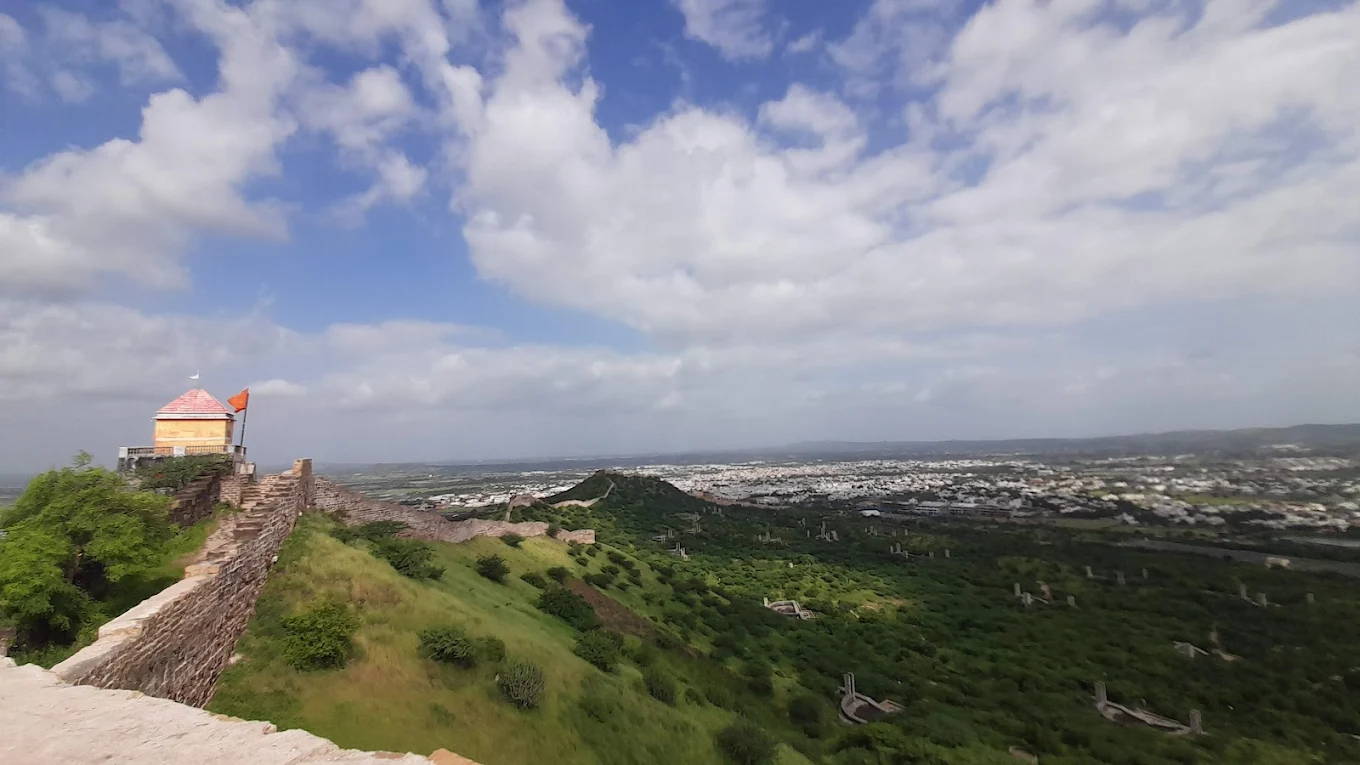
Bhujiyo Fort Bhuj is one of the most iconic historical landmarks in Kutch, standing tall on Bhujiyo Hill and overlooking the vibrant town of Bhuj. This fort is not just an architectural marvel but also a cultural treasure deeply rooted in local legends and folklore. A visit to Bhuj is incomplete without exploring Bhujiyo Fort, which is considered among the top heritage attractions and sightseeing places in Kutch.
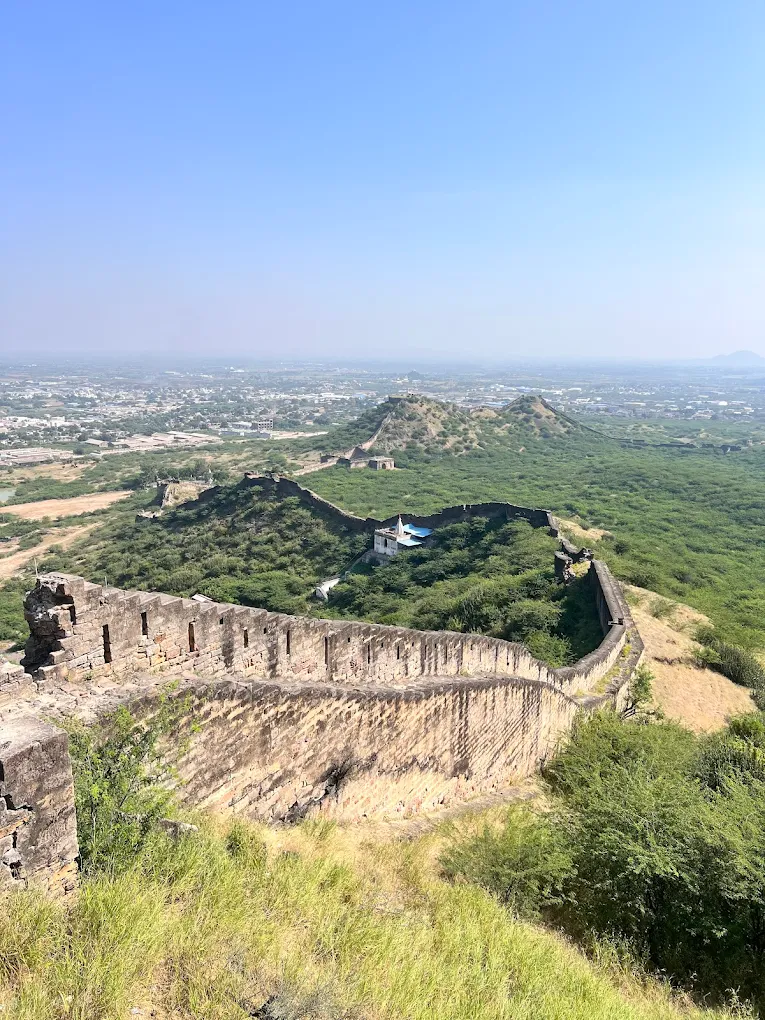
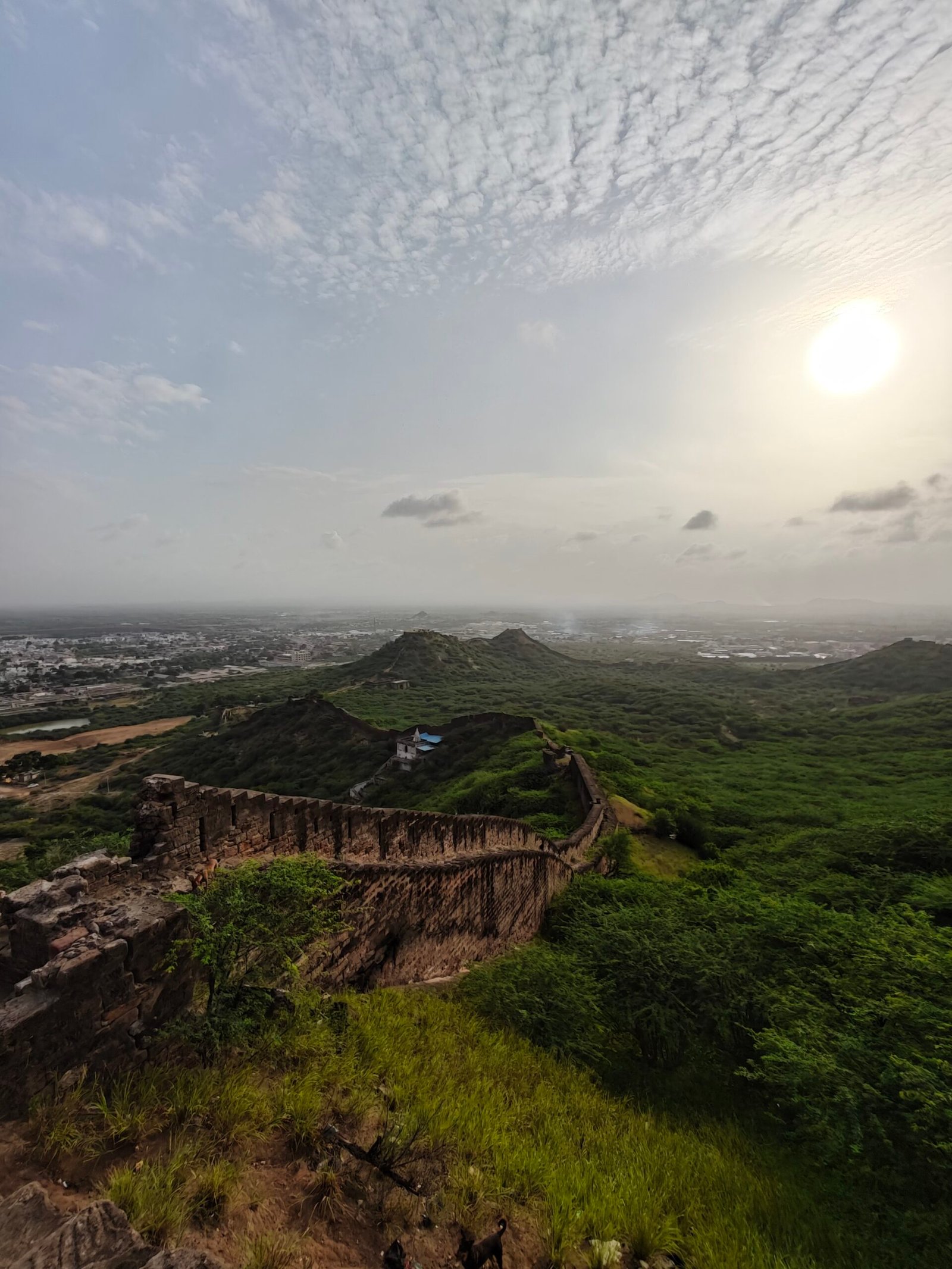
The fort offers breathtaking panoramic views of Bhuj town, Hamirsar Lake, and the surrounding Kutch landscape. It holds immense significance for history lovers, as it witnessed battles, royal legacies, and cultural developments that shaped Kutch. For locals, Bhujiyo Fort is also a symbol of devotion and bravery, associated with the famous folklore of Naga chieftain Bhujang.
Built during the rule of Rao Godji I in the 18th century, the fort is known for its strategic location, defensive architecture, and religious shrines. Unlike many other forts, Bhujiyo Fort uniquely blends history, mythology, and spirituality, making it a holistic destination for tourists.
Today, the fort attracts not only travelers and heritage lovers but also trekkers and photographers who wish to capture the beauty of Bhuj from its highest point. If you are exploring Bhuj tourist attractions, Bhujiyo Fort should definitely be on your list.
History & Significance
The story of Bhujiyo Fort Bhuj dates back to the early 18th century. Rao Godji I, ruler of Kutch, commissioned the fort on Bhujiyo Hill to defend Bhuj from invasions and attacks. Its elevated position gave it a natural advantage as a watchtower for incoming threats.
The fort, however, is equally famous for the legend of Naga chieftain Bhujang, after whom the city of Bhuj is said to be named. Local folklore suggests that Bhujang, a serpent deity, protected the region and lived on Bhujiyo Hill. A shrine dedicated to him lies within the fort, and locals still worship Bhujang Naga, especially during Nag Panchami.
Bhujiyo Fort also witnessed the historic battle between Deshalji I and Sher Buland Khan of the Mughal army in 1723. It is believed that the Naga sadhus, disciples of Bhujang, joined the battle to defend the fort, securing its place in the annals of Kutch’s valorous history.
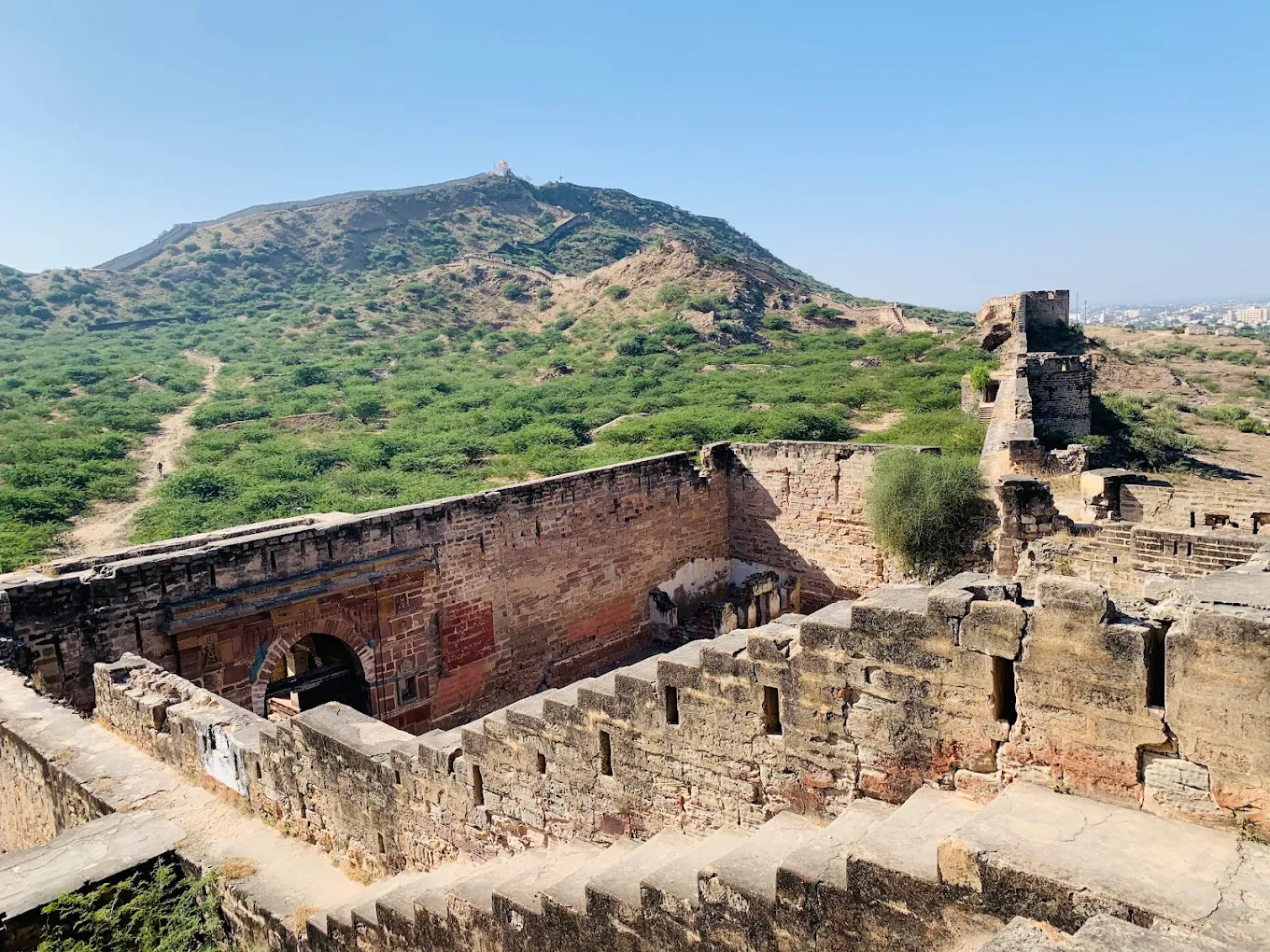
Though parts of the fort are in ruins today, it remains a living testimony to the region’s martial past, cultural stories, and religious beliefs. Its significance lies not only in defense and governance but also in the identity of Bhuj itself.
Things to Do / Attractions Nearby
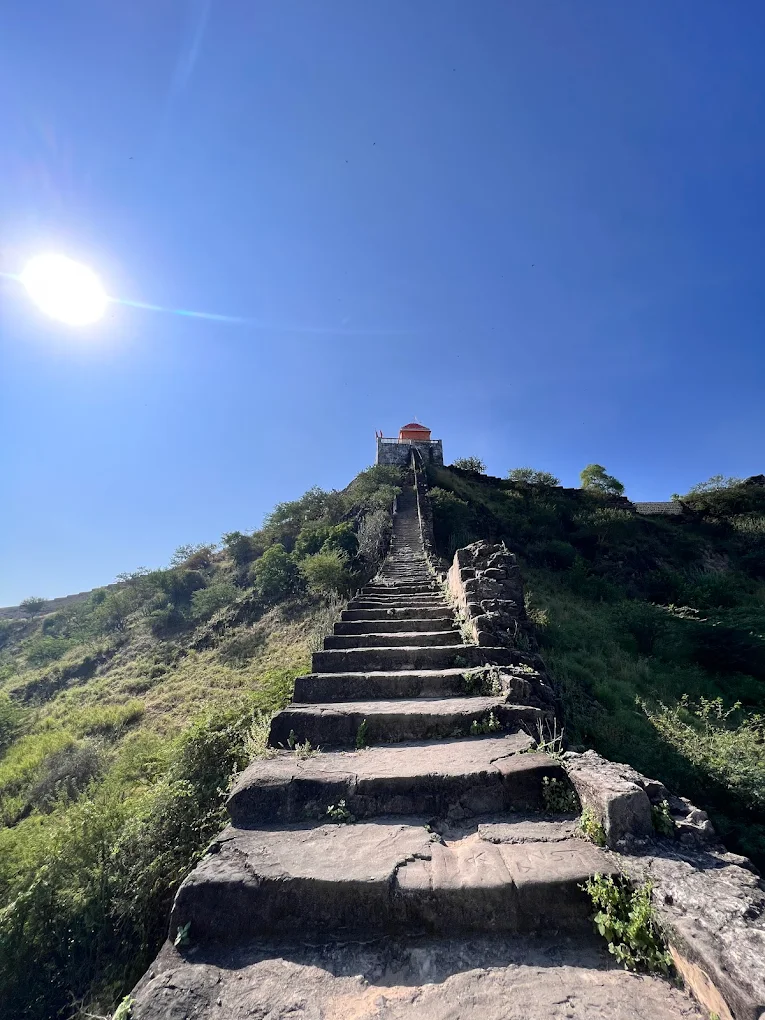
- Trek up Bhujiyo Hill for sunrise and sunset views.
- Visit the Bhujang Naga temple inside the fort.
- Explore Hamirsar Lake, visible from the fort.
- Combine with Smritivan Earthquake Memorial and Museum, Prag Mahal and Aina Mahal for a heritage tour.
- Enjoy photography of Bhuj town from above.
Best Time to Visit Bhujiyo Fort Bhuj
The best time to visit Bhujiyo Fort Bhuj is from October to March, when the weather is pleasant for trekking and sightseeing. Early mornings and late evenings are ideal for panoramic views.
How to Reach Bhujiyo Fort Bhuj
- By Air: Nearest airport is Bhuj Airport (5 km), connected to Ahmedabad and Mumbai.
- By Rail: Bhuj Railway Station (3 km) is the closest railhead.
- By Road: Bhujiyo Fort is just 2–3 km from the city center, easily accessible by auto, taxi, or a short trek.
Travel Tips & Visitor Info
- Entry Fees: Free for all visitors.
- Timings: Open throughout the day, best during sunrise/sunset.
- What to Carry: Comfortable walking shoes, water bottles, and a camera.
- Tips for Visiting Kutch: Pair your visit with nearby palaces and markets in Bhuj for a complete cultural experience.
FAQs
Bhujiyo Fort is famous for its hilltop location, panoramic views, and the legend of Bhujang Naga.
Yes, visitors often trek up Bhujiyo Hill to reach the fort and enjoy stunning views of Bhuj.
The fort was built by Rao Godji I in the 18th century as a defense structure.
Nearby attractions include Smritivan Earthquake Memorial and Museum, Hamirsar Lake, Prag Mahal, Aina Mahal, and Bhuj markets.
Photo Gallery