
Discover the best tourist places to visit in Kutch, Rann of Kutch, Mandvi Beach, Dholavira & more. Plan your Kutch trip with our travel guide for sightseeing, culture & festivals.
This website is created only to provide information about tourist places of Kutch. We do not offer or take any bookings. If you find any incorrect information, please contact us
Our Contact
- info@visitkutch.com
- Home
- Chhatardi Bhuj
Chhatardi Bhuj – Historical Cenotaphs in Kutch, Gujarat
Location
Best Places to Visit in Kutch
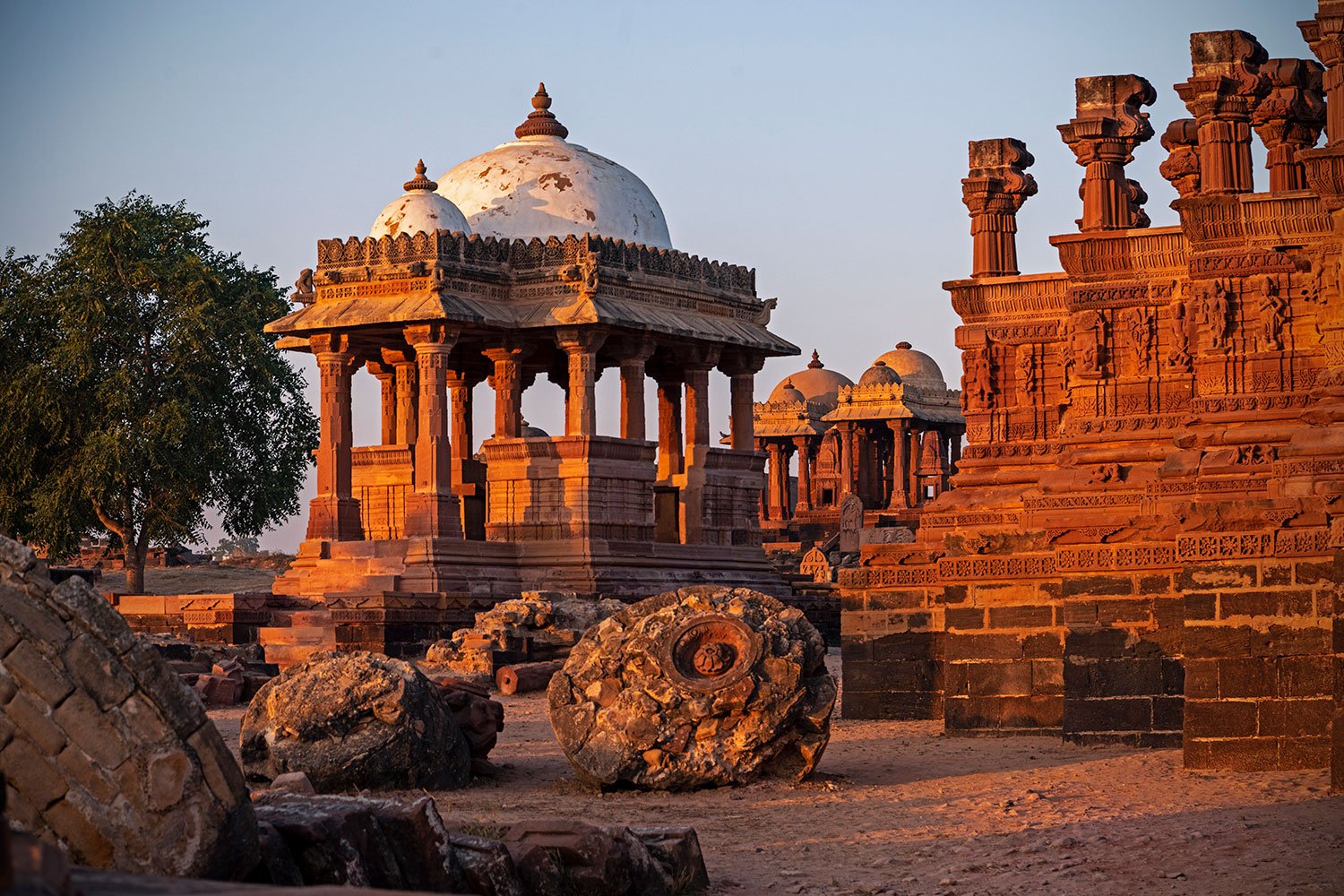
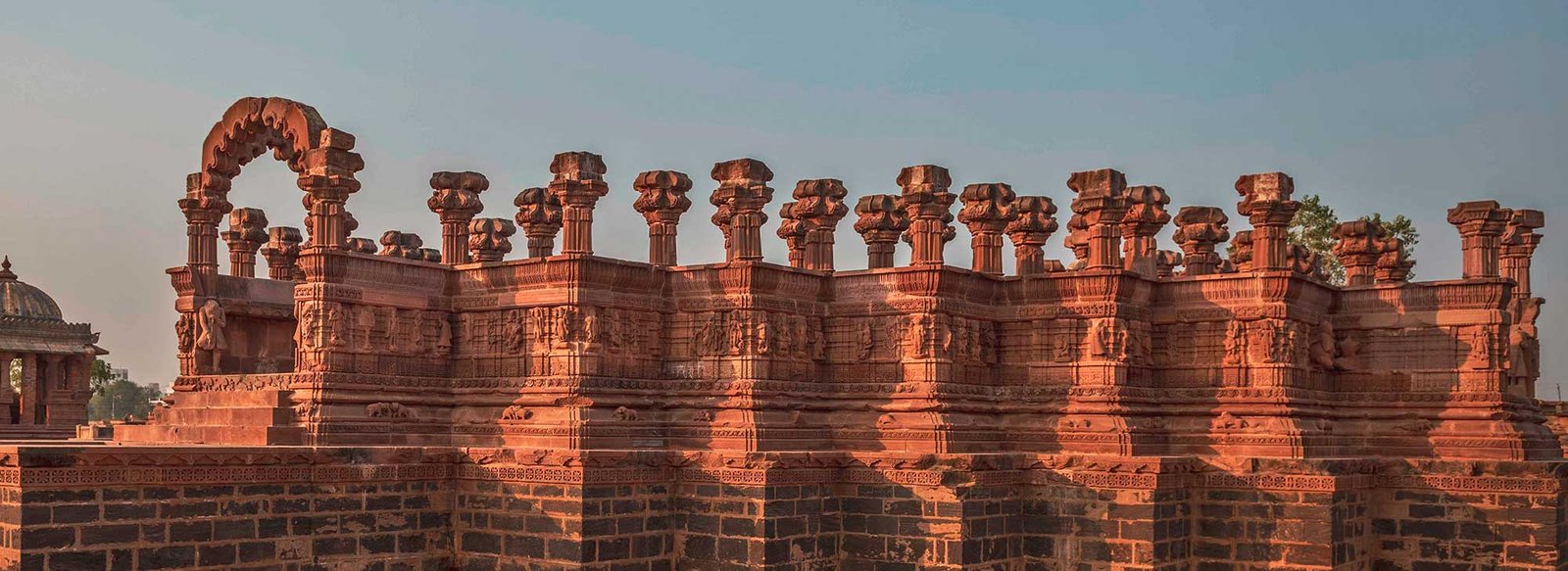
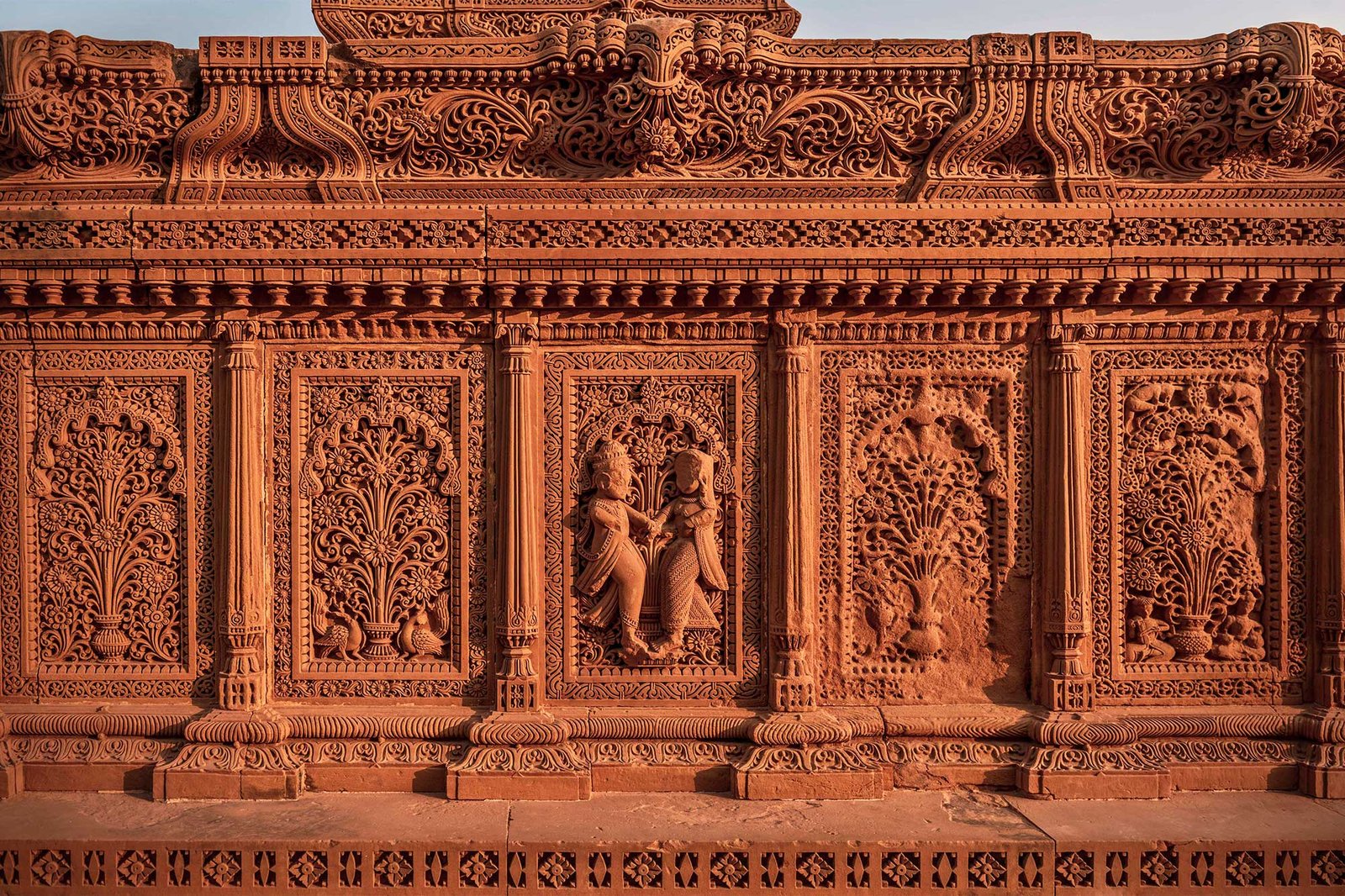
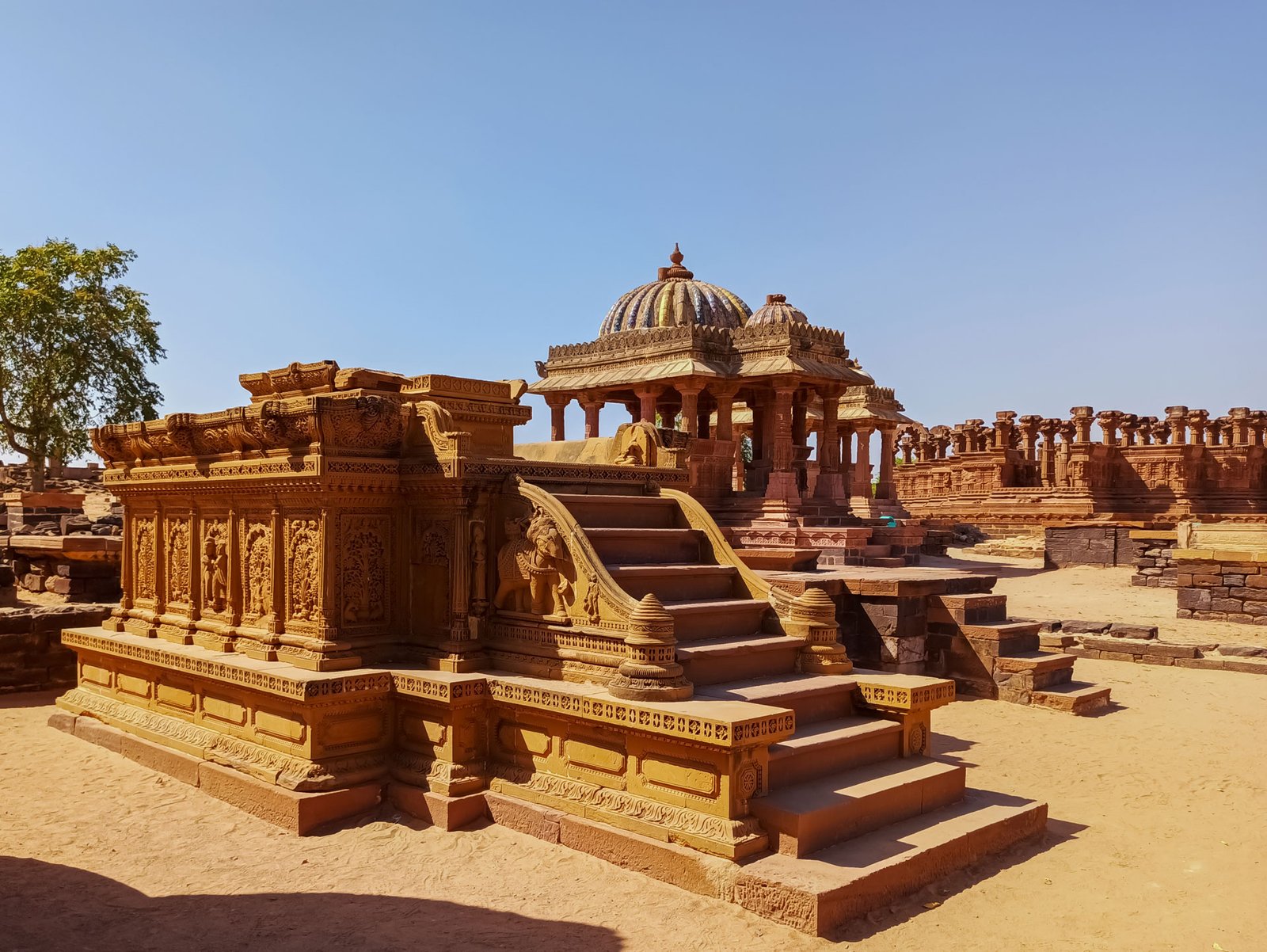
Chhatardi Bhuj is one of the most iconic heritage monuments in Kutch and a must-visit destination for history lovers and architecture enthusiasts. Located just outside Bhuj city, Chhatardi Bhuj is famous for its stunning cenotaphs (memorial structures) built by the Jadeja rulers of Kutch. The site is adorned with intricately carved sandstone monuments, domed pavilions, and ornate arches, showcasing the rich craftsmanship of the region.
When you visit Chhatardi Bhuj, you are stepping back into history. These cenotaphs were originally constructed in the 18th century to honor the valor and memory of the royals of Kutch. Unfortunately, many structures were damaged during the devastating 2001 Gujarat earthquake, but the ruins still reflect the grandeur and cultural significance of the site.
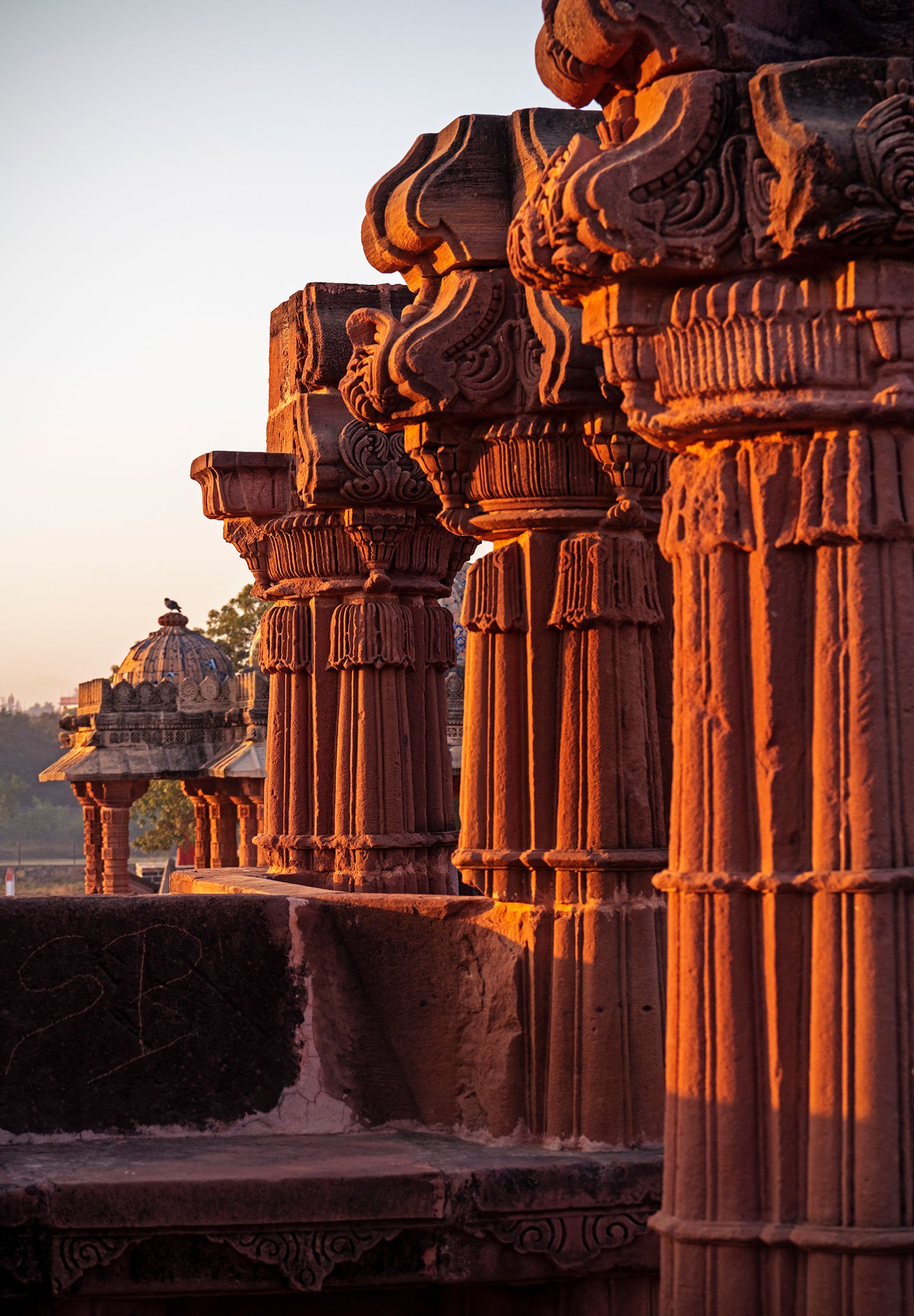
For photographers, Chhatardi in Bhuj is a paradise. The reddish-brown sandstone monuments look especially mesmerizing during sunrise and sunset when the soft light enhances their beauty. Travelers often include this site in their itinerary along with other popular attractions of Bhuj, such as Aina Mahal, Prag Mahal, and Bhujiyo Hill.
Chhatardi Bhuj is not just about monuments, it is about experiencing the legacy of a bygone era. With detailed carvings of deities, floral motifs, and royal symbols, the cenotaphs reflect the artistic excellence of Kutch’s past. If you are planning a heritage tour of Gujarat, this site deserves a top spot on your list.
History & Significance
The Chhatardi Bhuj cenotaphs were built in the late 18th century by Rao Lakhpatji and other rulers of the Jadeja dynasty to honor their royal ancestors. Traditionally, cenotaphs or chhatardis served as memorials, not burial sites, since Hindu royals were cremated. These structures symbolized respect, reverence, and the continuation of royal legacies.
Chhatardi Bhuj is historically significant because it represents the architectural brilliance of Kutch. Built using red sandstone, the monuments feature elegant domes, intricately carved pillars, arches, and decorative motifs. The largest cenotaph is dedicated to Rao Lakhpatji himself, who ruled Kutch from 1741 to 1760.
Though the 2001 earthquake in Kutch destroyed many of the original structures, the ruins still attract thousands of tourists, historians, and photographers every year. Today, Chhatardi in Bhuj is not only a symbol of the city’s resilience but also a heritage site that connects modern visitors to the grandeur of Kutch’s royal history.
Things to Do / Attractions Nearby
- Explore the cenotaph ruins and admire their sandstone carvings.
- Photography at sunrise/sunset when Chhatardi Bhuj glows beautifully.
- Visit Prag Mahal and Aina Mahal, located nearby in Bhuj.
- Plan a trip to Bhujiyo Hill for panoramic city views.
- Include Kutch Museum for deeper insights into local history.
Best Time to Visit Chhatardi Bhuj
The best time to visit Chhatardi Bhuj is from October to March, when the weather in Kutch is pleasant for sightseeing and photography. Avoid peak summer months (April–June) as temperatures can be very high.
How to Reach Chhatardi Bhuj
- By Air: Nearest airport is Bhuj Airport (5 km), connected to Ahmedabad and Mumbai.
- By Rail: Bhuj Railway Station (3 km) is the closest railhead.
- By Road: Bhujiyo Fort is just 2–3 km from the city center, easily accessible by auto, taxi, or a short trek.
Travel Tips & Visitor Info
- Entry Fees: Free for all visitors.
- Timings: Open from 9:00 AM to 6:00 PM daily.
- What to Carry: Sunglasses, water bottles, and comfortable walking shoes.
- Food & Stay: Several hotels and local eateries are available in Bhuj city, just a few kilometers away.
- Tips for visiting Kutch: Visit Chhatardi along with Bhuj’s heritage circuit to make the most of your trip. Sunrise or sunset photography is highly recommended.
FAQs
Chhatardi Bhuj is famous for its royal cenotaphs built by the Jadeja rulers of Kutch, featuring intricate sandstone carvings and domed pavilions.
Yes, a small entry fee is charged for visitors. It may vary for domestic and international tourists.
Usually, 1–2 hours are enough to explore the cenotaphs and enjoy photography.
The best time is between October and March when the weather is cool and pleasant.
Photo Gallery