
Discover the best tourist places to visit in Kutch, Rann of Kutch, Mandvi Beach, Dholavira & more. Plan your Kutch trip with our travel guide for sightseeing, culture & festivals.
This website is created only to provide information about tourist places of Kutch. We do not offer or take any bookings. If you find any incorrect information, please contact us
Our Contact
- info@visitkutch.com
- Home
- Lakhpat Fort Kutch
Lakhpat Fort Kutch – History, Attractions & Travel Guide
Location
Best Places to Visit in Kutch
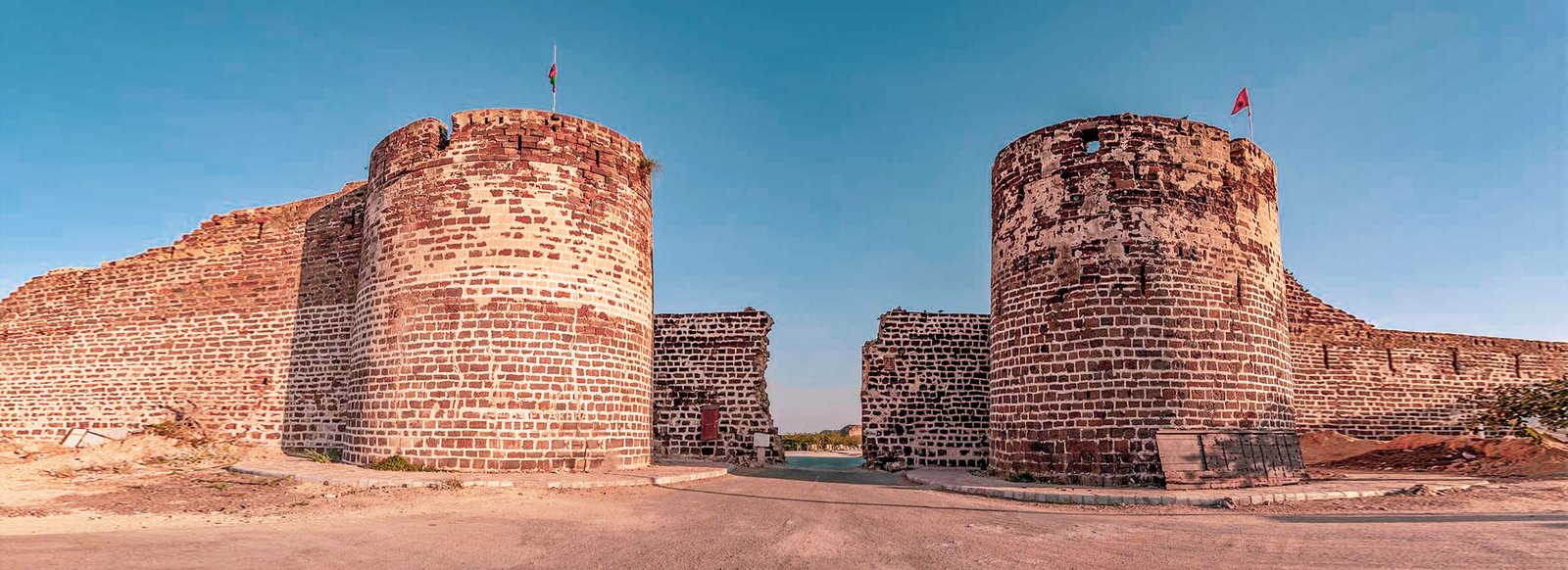
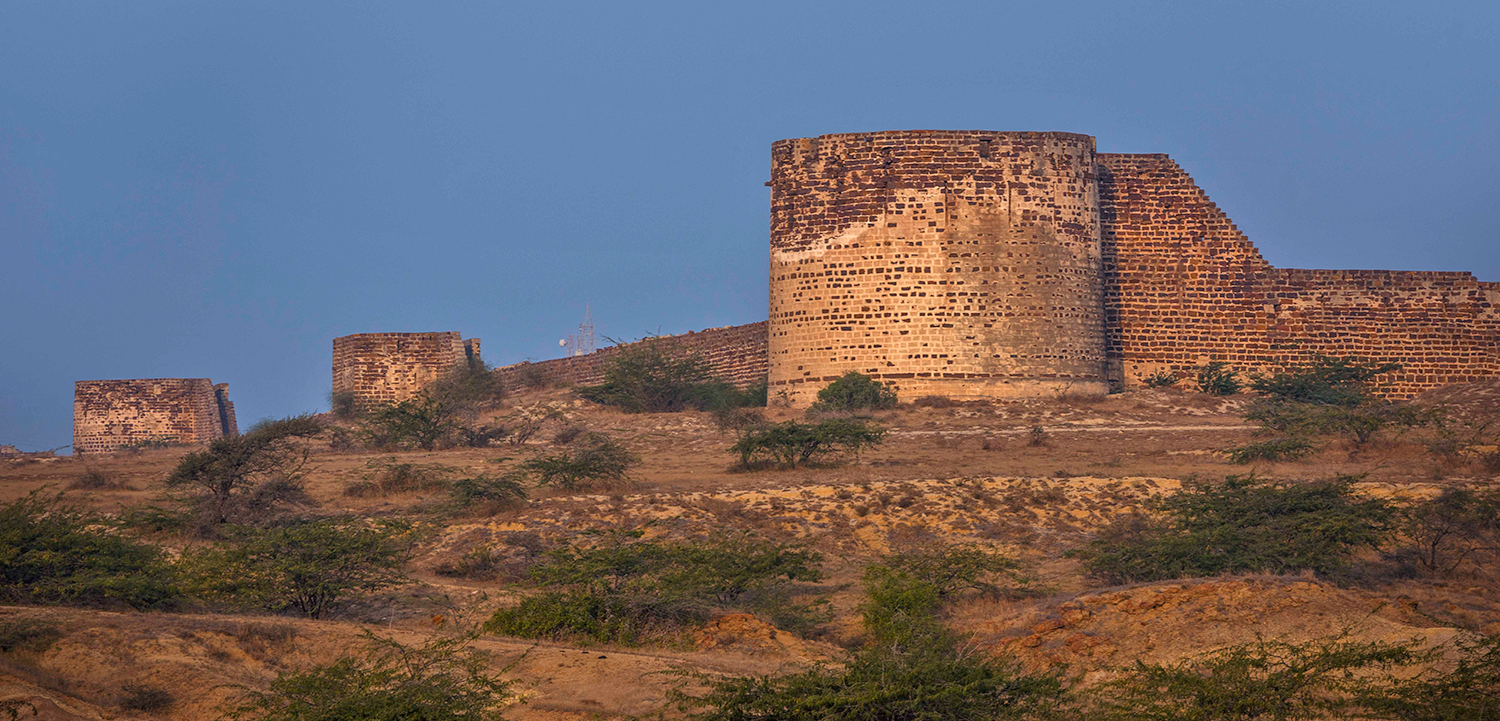
Lakhpat Fort Kutch is one of the most fascinating heritage sites in Gujarat, showcasing the grandeur of Kutch’s historic past. Located in the north-western corner of Kutch near the India–Pakistan border, Lakhpat was once a bustling trading town and an important stop for caravans traveling between Gujarat, Sindh, and beyond. Today, the massive Lakhpat Fort stands as a silent witness to the region’s glorious history and cultural diversity.
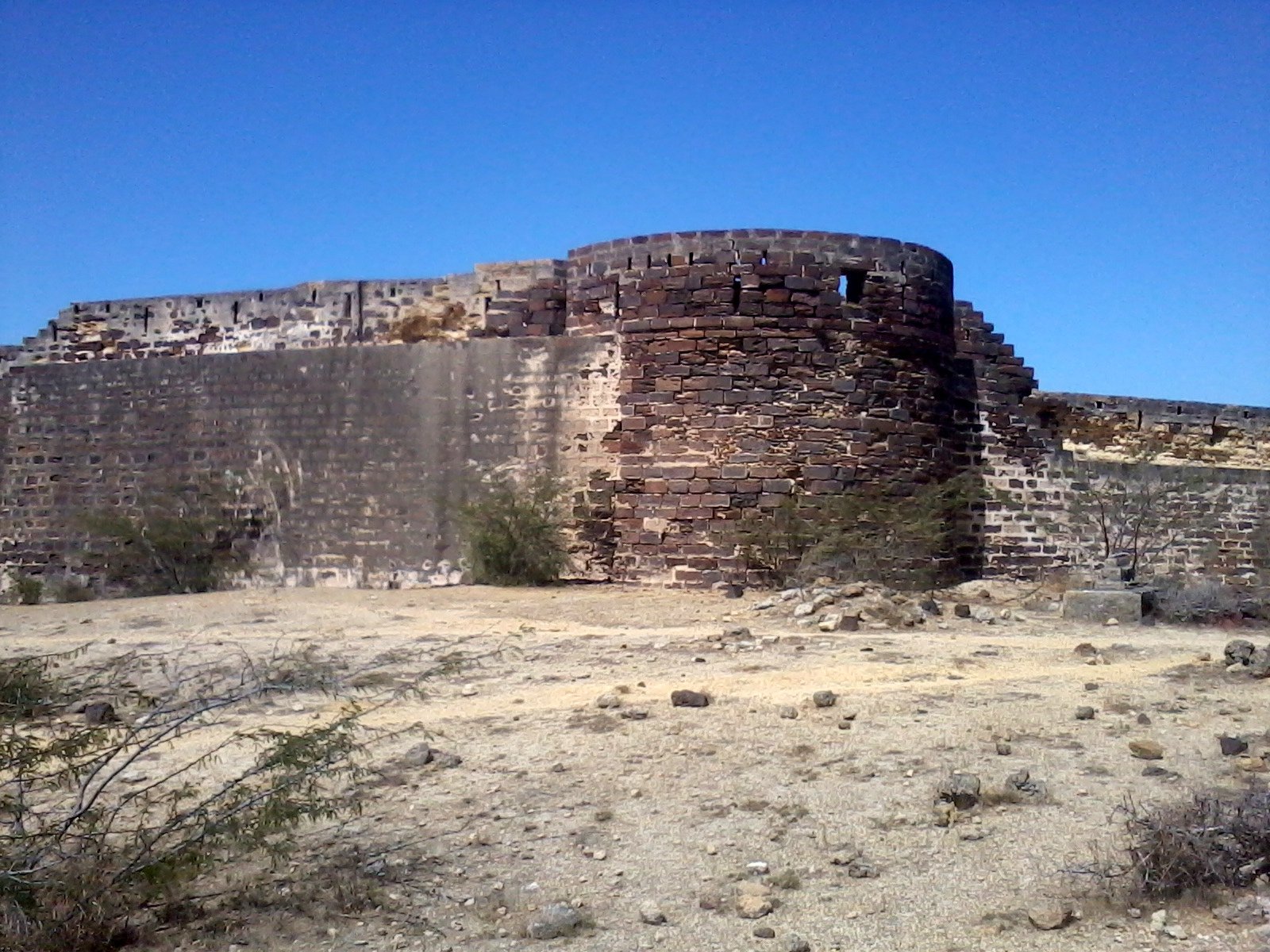
Built in the early 19th century by Rao Lakhpatji, the fort covers nearly 7 km of fortified walls, making it one of the largest forts in Gujarat. Though now a ghost town, Lakhpat is famous for its historic ruins, mystical stories, and spiritual landmarks including Gurudwara Sahib, Pir Ghaus Muhammad Tomb, and several ancient temples.
What makes Lakhpat Fort unique is not just its size but also the stories it tells. Once thriving with prosperity due to trade through the Indus River, the town declined when the river changed course. Today, it offers travelers a rare chance to explore abandoned houses, ancient shrines, and panoramic views of the Rann of Kutch.
For those searching for best heritage places to visit in Kutch, Lakhpat Fort is a must-visit. With its untouched charm, it appeals to history enthusiasts, cultural explorers, and even photographers looking for rustic landscapes.
History & Significance
The history of Lakhpat Fort is deeply tied to the prosperity of Kutch in the 18th and 19th centuries. Lakhpat town derived its name from Rao Lakhpatji, the ruler of Kutch, under whose reign the town became a flourishing center of trade. Positioned strategically near the Sindh border, it prospered as a hub for trade routes linking Gujarat with Multan and beyond.
At its peak, Lakhpat was home to thousands of families engaged in commerce, handicrafts, and farming. The massive fort walls, built with stone, were meant to protect the town from invasions and natural calamities. The walls, stretching over 7 km, are still intact and display the architectural strength of that period.
However, the prosperity did not last long. When the Indus River changed its course in the 19th century, trade routes collapsed, and Lakhpat lost its economic importance. Slowly, the once-thriving town turned into a deserted settlement.
Despite its decline, the fort retains immense cultural and spiritual importance. Within the fort walls lie Gurudwara Sahib, visited by Guru Nanak during his travels, and the tomb of Sufi saint Pir Ghaus Muhammad, making it a unique blend of Hindu, Sikh, and Sufi traditions. Today, it stands as a UNESCO tentative heritage site and a symbol of Kutch’s layered history.
Things to Do / Attractions Nearby
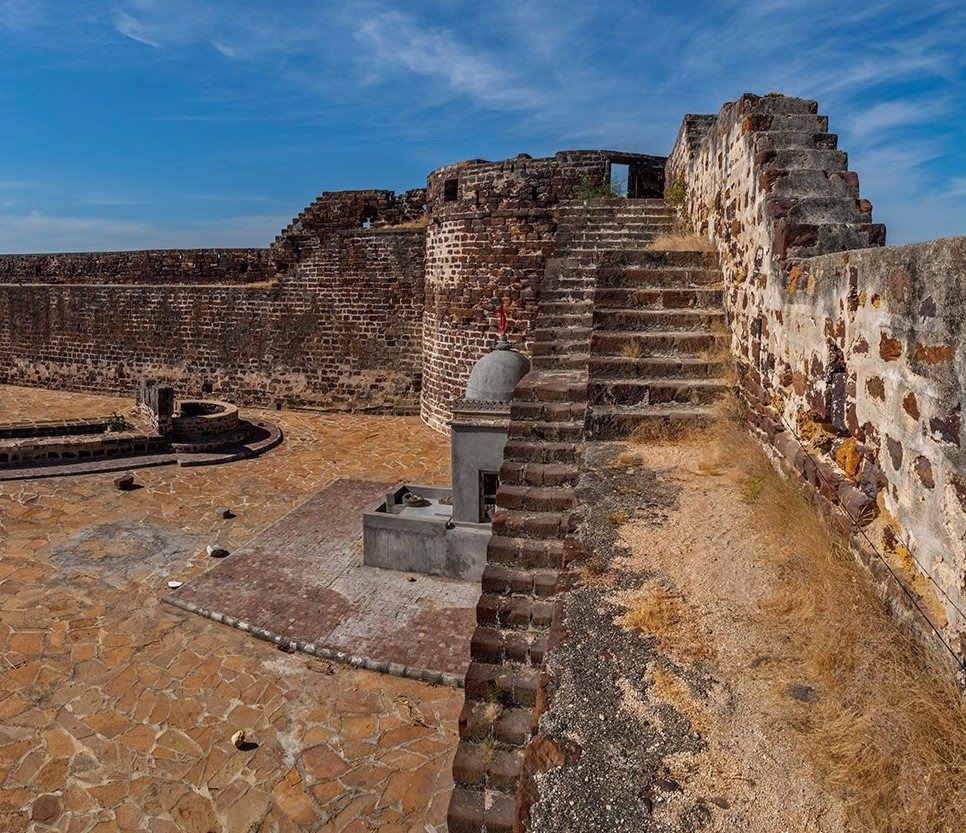
- Walk along the 7 km fort walls and enjoy panoramic views of the Rann of Kutch.
- Visit Gurudwara Sahib Lakhpat, associated with Guru Nanak’s travels.
- Explore the Pir Ghaus Muhammad Tomb, a blend of Islamic and local architecture.
- Discover ancient temples inside the fort dedicated to various deities.
- Photography of abandoned houses and ruins.
- Nearby attractions: Koteshwar Temple (35 km) and Narayan Sarovar Wildlife Sanctuary (40 km).
Best Time to Visit Lakhpat Fort Kutch
The best time to visit Lakhpat Fort is November to February during the winter season. The weather is pleasant, making it ideal for walking and exploring the fort walls and ruins. Summers are extremely hot and should be avoided.
How to Reach Lakhpat Fort Kutch
- By Air: The nearest airport is Bhuj Airport (140 km), well connected to Ahmedabad and other cities.
- By Rail: Bhuj Railway Station (140 km) is the closest major station.
- By Road: Lakhpat is accessible by road from Bhuj (3.5 hours). Regular buses and taxis are available.
Travel Tips & Visitor Info
- Entry Fees: Free entry.
- Timings: Open daily, sunrise to sunset.
- Carry enough water and snacks as facilities are limited.
- Best for heritage walks and photography.
- Combine your visit with Koteshwar Temple and Narayan Sarovar for a full-day trip.
FAQs
Lakhpat Fort is famous for its massive 7 km walls, abandoned town, and spiritual landmarks including Gurudwara Sahib and Pir Ghaus Muhammad Tomb.
Yes, it’s one of the most unique heritage sites in Kutch, offering history, architecture, and scenic views.
Lakhpat Fort is about 140 km from Bhuj, roughly a 3.5-hour drive.
Nearby attractions include Koteshwar Temple and Narayan Sarovar Wildlife Sanctuary.
Photo Gallery