
Discover the best tourist places to visit in Kutch, Rann of Kutch, Mandvi Beach, Dholavira & more. Plan your Kutch trip with our travel guide for sightseeing, culture & festivals.
This website is created only to provide information about tourist places of Kutch. We do not offer or take any bookings. If you find any incorrect information, please contact us
Our Contact
- info@visitkutch.com
- Home
- Traditional Rogan Art Nirona
Traditional Rogan Art Nirona Village – Kutch Heritage
Location
Best Places to Visit in Kutch
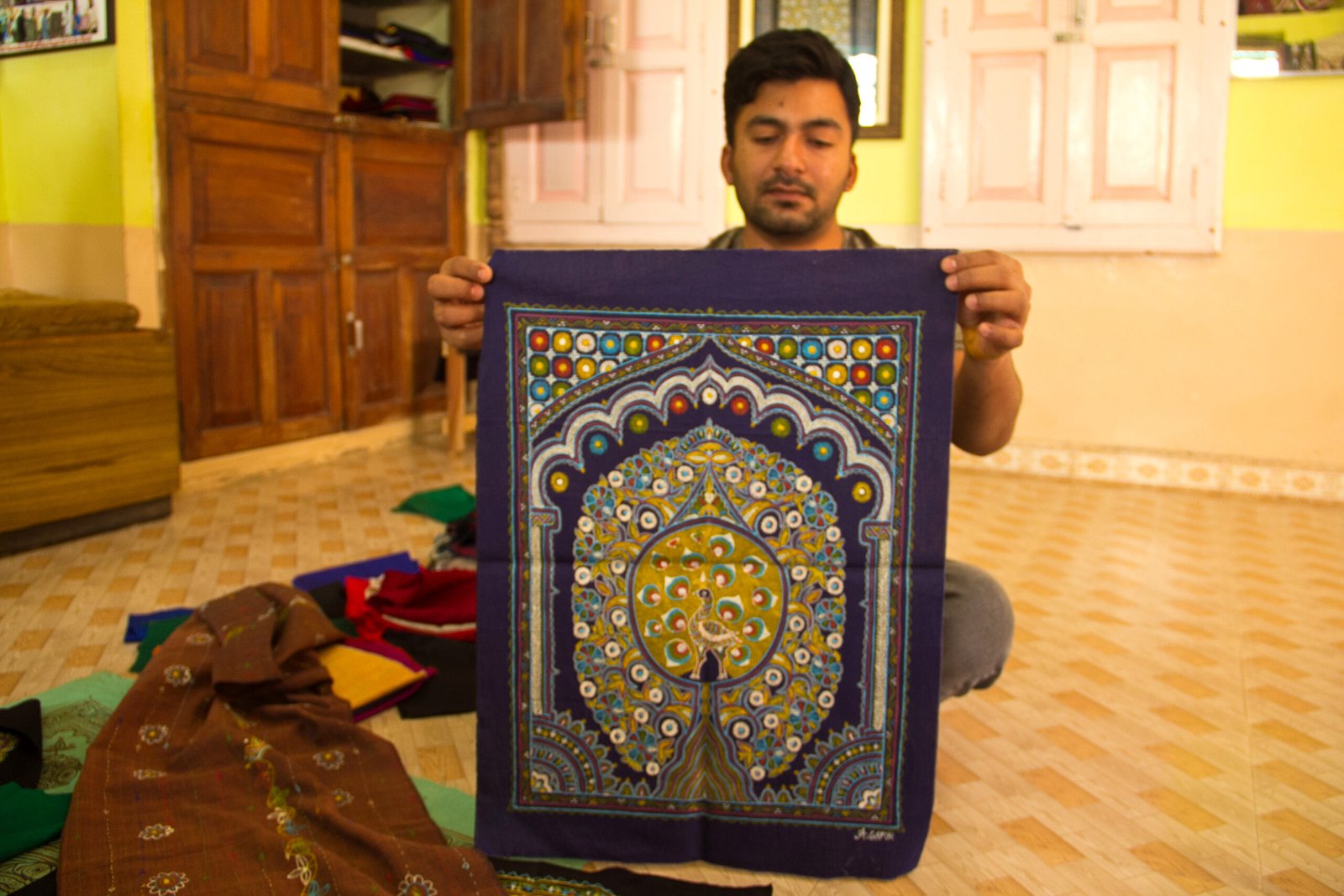
Traditional Rogan Art in Nirona Village is one of the most unique and rare handicrafts of India, deeply rooted in the cultural heritage of Kutch, Gujarat. Known as Traditional Rogan Art Nirona, this centuries-old craft involves freehand painting on fabric using castor oil-based colors. Today, Nirona Village stands as the only place in the world where Rogan art is still practiced by a handful of families, making it a living heritage of Kutch.
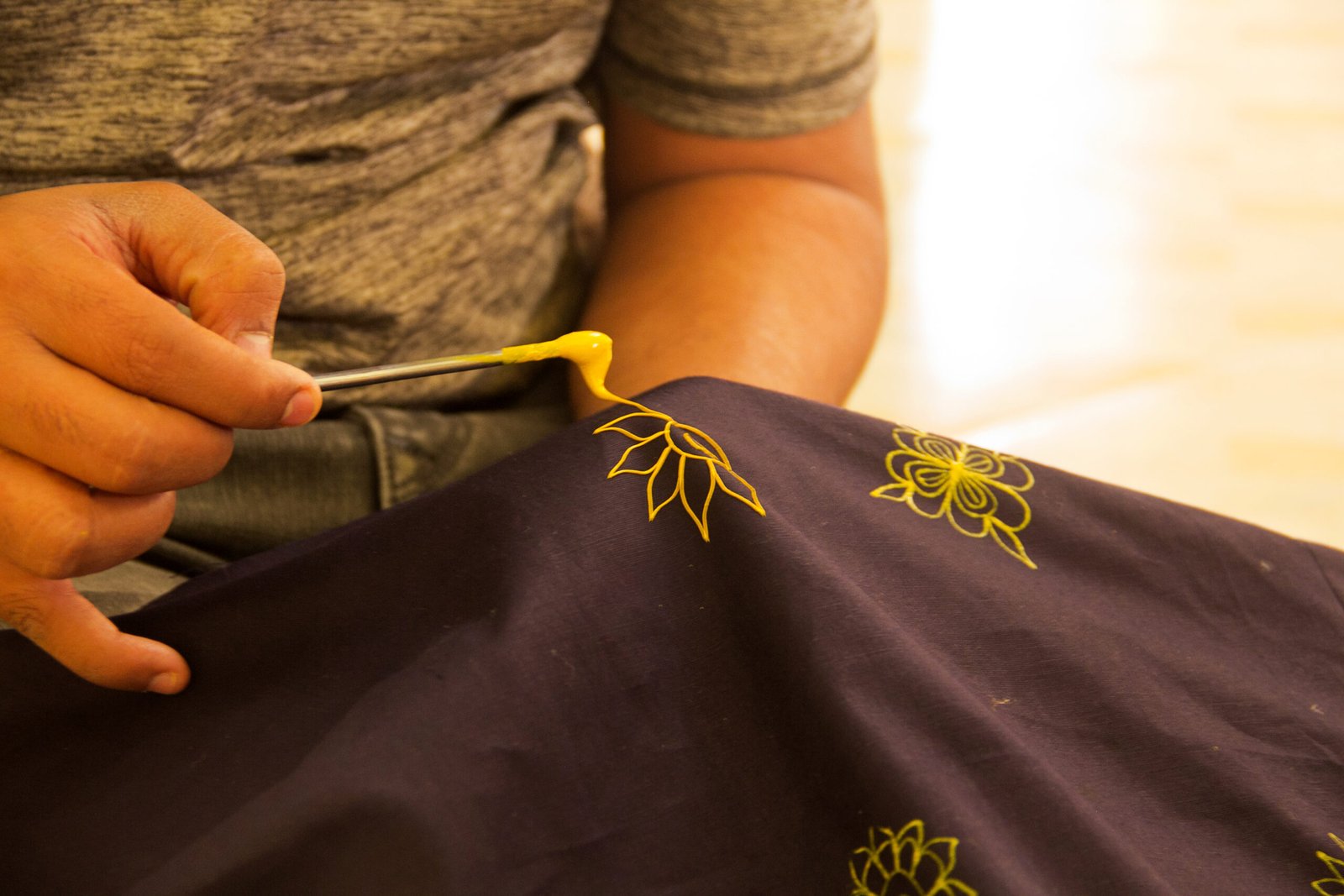
The term “Rogan” comes from the Persian word meaning “oil,” referring to the castor oil that forms the base of the paint. Artisans carefully heat castor oil for days and then mix it with natural pigments to create a thick, sticky paste. With a metal rod or stylus, this paste is delicately stretched into intricate designs on cloth, often without any sketch or outline. The results are breathtaking geometrical patterns, motifs of trees, flowers, birds, and the iconic “Tree of Life.”
Traditional Rogan Art Nirona Village gained global attention when one of its masterpieces, the Tree of Life, was gifted to U.S. President Barack Obama by Prime Minister Narendra Modi. This event brought worldwide recognition to the craft, but it continues to remain a treasured secret of Kutch.
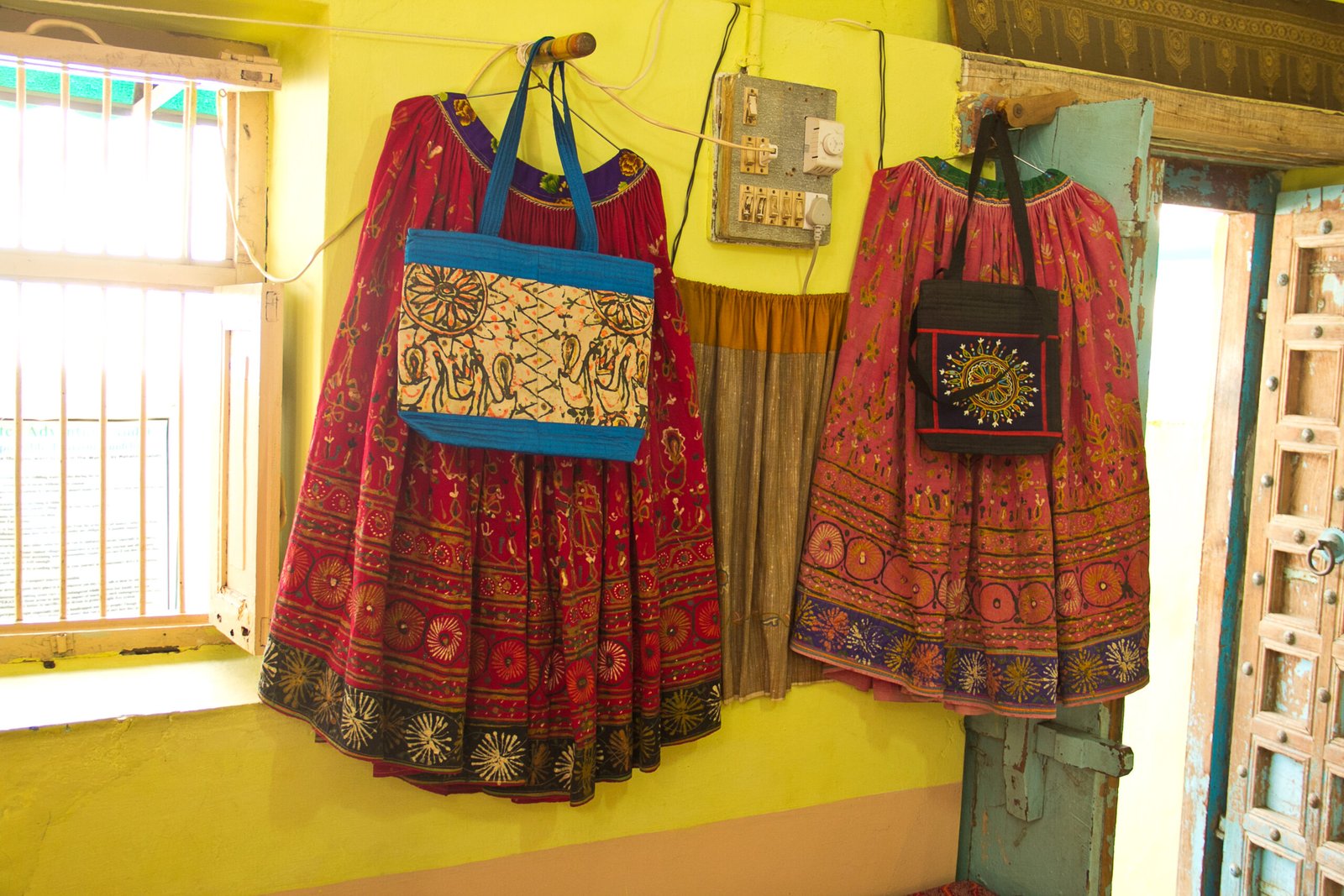
For travelers exploring Kutch, visiting Nirona Village offers a rare opportunity to witness this fascinating art form firsthand. Artisans often welcome visitors into their homes, demonstrating the skill and patience required to create Rogan paintings. Beyond just viewing, many travelers purchase Rogan art as souvenirs, ranging from wall hangings and tablecloths to clothing and decorative items.
The survival of Traditional Rogan Art in Nirona is a story of resilience. With modernization, demand for handmade crafts has declined, yet dedicated artisan families continue to preserve this art against all odds. UNESCO has also recognized Rogan painting as an important intangible cultural heritage. Supporting these artisans by visiting, learning, and buying their work ensures that this unique craft survives for future generations.
History & Significance
The origins of Rogan painting date back over 400 years, believed to have been brought to India from Persia. While it once flourished across Gujarat, only Nirona Village remains as the last stronghold of this craft. Historically, Rogan art was used to decorate bridal clothing, wedding gifts, and ceremonial fabrics. The intricate designs symbolized prosperity and blessings for new beginnings.
Over centuries, the art evolved with distinct Kutchi influences, including motifs inspired by local flora, fauna, and cultural traditions. The “Tree of Life” design, now world-famous, embodies harmony, growth, and the interconnectedness of all living beings.
Nirona’s artisan families, primarily the Khatri community, have preserved Rogan painting through generations. They have also received national awards and recognition for their contribution. The significance of Traditional Rogan Art Nirona Village lies not only in its beauty but also in its cultural symbolism it represents the endurance of indigenous art against industrialization and globalization.
Things to Do / Attractions Nearby
- Watch Live Demonstrations – Visit Rogan artist families in Nirona and see the delicate painting process.
- Buy Authentic Rogan Art – From wall panels to apparel, take home a piece of living heritage.
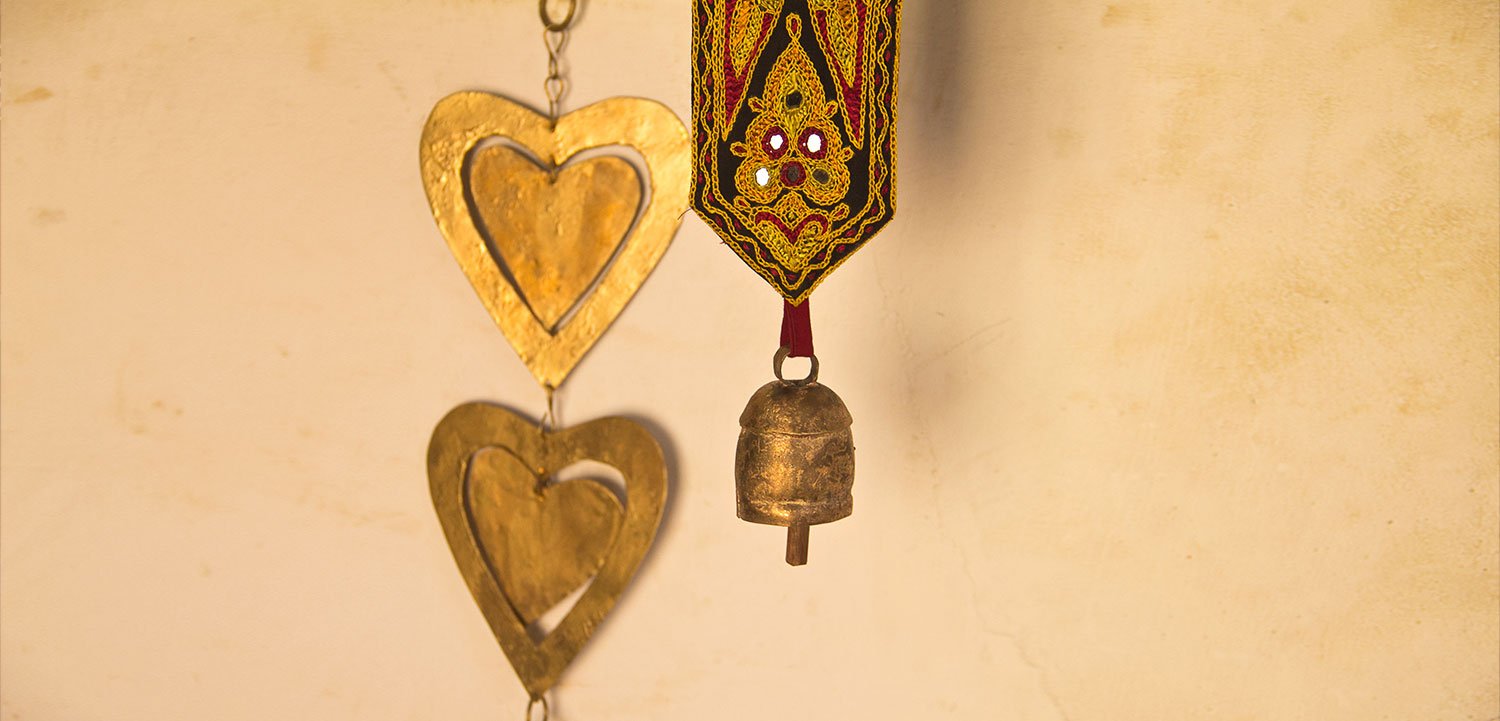
- Explore Nirona Village Crafts – The village is also known for copper bell making and lacquer work.
- Nearby Attractions – Kalo Dungar (Black Hills) Great Rann of Kutch (White Desert) Smritivan Earthquake Memorial (Bhuj)
Best Time to Visit Traditional Rogan Art Nirona
The best time to explore Traditional Rogan Art Nirona is during winter (November to February). The climate is pleasant, and this period coincides with the Rann Utsav, when many visitors explore local crafts.
How to Reach Traditional Rogan Art Nirona
- By Air: Bhuj Airport (40 km) is the nearest airport with flights connecting to Ahmedabad and Mumbai.
- By Rail: Bhuj Railway Station (42 km) provides convenient rail access.
- By Road: Taxis and buses from Bhuj take about 1–1.5 hours to reach Nirona.
Travel Tips & Visitor Info
- Entry Fees: No entry fee; demonstrations may require a small purchase or donation.
- Timings: Best to visit between 10 AM – 6 PM.
FAQs
A rare hand-painting craft using castor oil-based colors on fabric, unique to Nirona Village in Kutch.
Because it is practiced only in Nirona, and its "Tree of Life" painting was gifted to U.S. President Barack Obama.
Yes, most artisan families in Nirona welcome visitors to observe and purchase their artwork.
Directly from artisan homes in Nirona Village, ensuring originality and fair support.
Photo Gallery